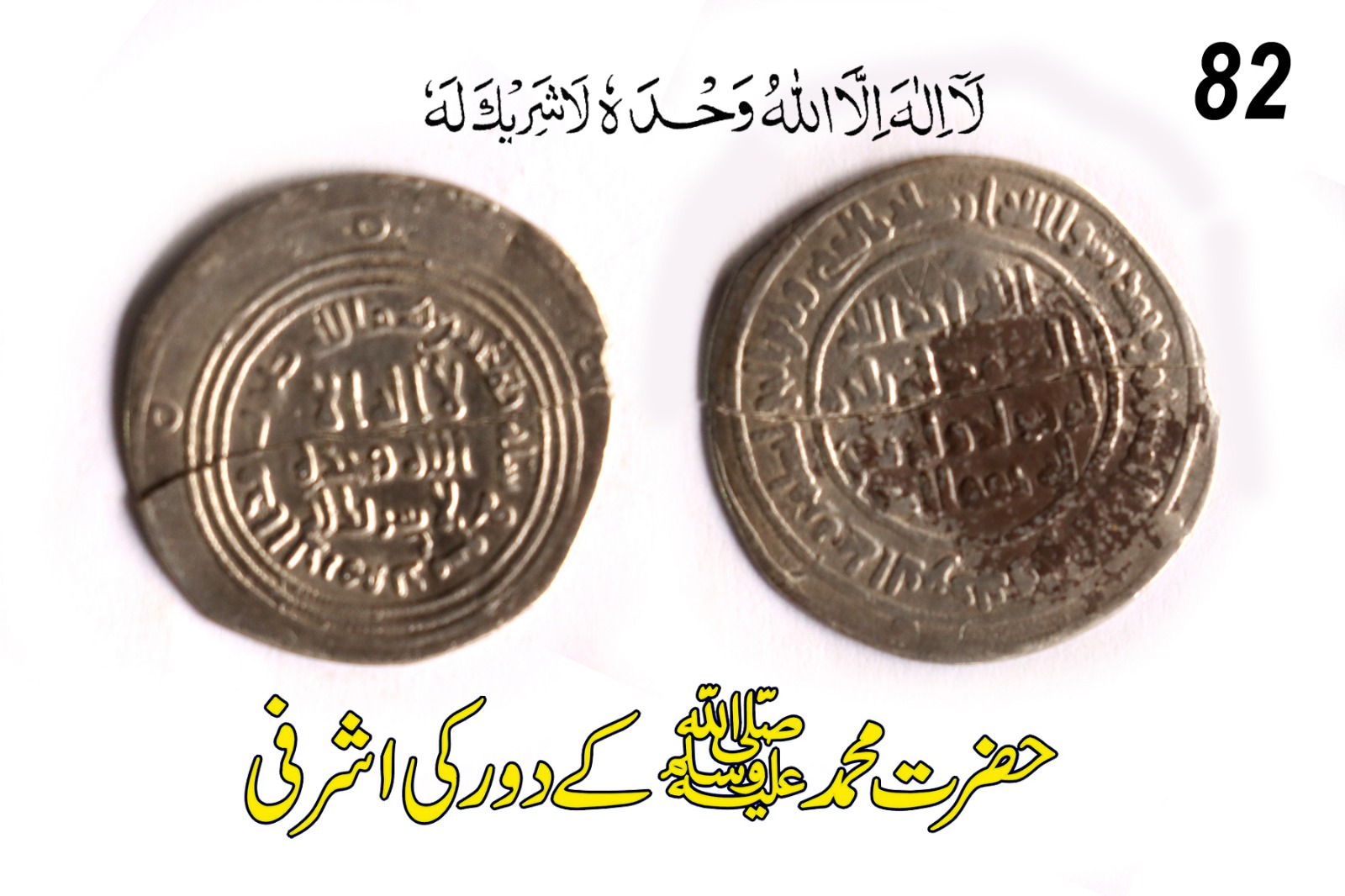
This silver dirham, minted in AH 90 (AD 709) at the Dimashq (Damascus) mint, belongs to the reign of Caliph al-Walid I ibn Abd al-Malik (r. 705-715 AD). Weighing around 2.7 grams, this coin reflects the standardized silver coinage of the Umayyad Caliphate, introduced during the great monetary reforms of the late 7th and early 8th centuries.
Historical Significance of the Coin
Al-Walid I was a powerful and visionary ruler of the Umayyad dynasty, overseeing a period of economic growth, military expansion, and infrastructural development. During his rule, the Islamic empire expanded into Spain, Central Asia, and the Indian subcontinent. His reign also saw the completion of the Great Mosque of Damascus, one of the most iconic Islamic architectural achievements. The minting of this dirham in Dimashq (Damascus), the capital of the Umayyad Caliphate, underscores the economic and political strength of the empire during his time.
Design and Inscriptions
The Umayyad silver dirham features a purely Islamic design, free of any pagan symbols or images, in accordance with the monetary reforms initiated by Caliph Abd al-Malik.
- Obverse (Front): The Shahada (Islamic declaration of faith), affirming the oneness of Allah and the prophethood of Muhammad (ﷺ).
- Reverse (Back): Quranic verses, including Surah Al-Ikhlas, the mint name (Dimashq), and the Islamic Hijri date (AH 90).
This text-based design helped solidify Islamic identity and distinguished Islamic coins from their Byzantine and Sassanian predecessors.
Dimashq Mint – The Heart of the Umayyad Empire
Dimashq (Damascus) was not only the political capital of the Umayyad Caliphate but also an important economic and cultural center. It served as a major hub for trade, governance, and coin production. Coins minted in Dimashq were widely circulated across the vast Islamic empire, facilitating commerce and taxation.
Numismatic Value and Collectability
Coins from the reign of al-Walid I are highly prized by collectors and historians due to their historical importance and well-preserved inscriptions. A dirham from AH 90 (AD 709) is a significant piece of Islamic numismatic history, representing the height of Umayyad economic and political power.
Legacy and Preservation
The Umayyad silver dirham is more than just a piece of currency; it is a symbol of early Islamic civilization, governance, and economic strength. Many such coins are preserved in numismatic collections and museums, offering valuable insights into the monetary policies and historical developments of the early Islamic world.