- Introduction to Umayyad Bronze Coinage
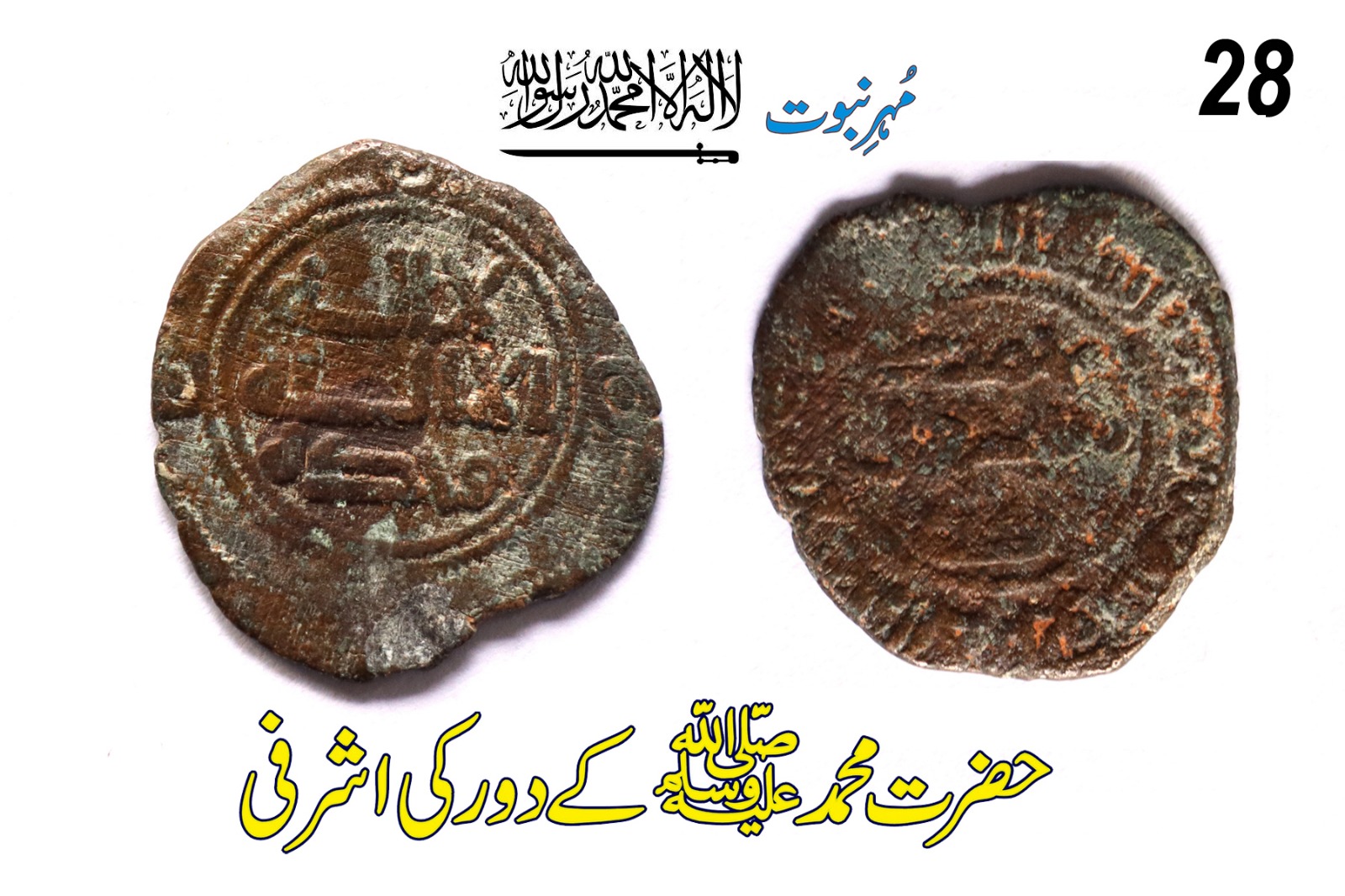
The Umayyad Caliphate (661–750 CE) played a pivotal role in the transformation of Islamic currency. One of the most significant developments was the issuance of bronze fals (AE Fals) coins, which were commonly used for smaller transactions. This bronze fals (18.8mm, 3.45g, 7h) was minted in Al-Madina, one of the most revered cities in Islam, and bears the inscription “Ma‘din Amir al-Mu’minin”, signifying its official status. - Historical Significance of Al-Madina Mint
Al-Madina, the city of the Prophet Muhammad (PBUH), held immense religious and political importance during the Umayyad period. The minting of coins in this holy city reflects its role as an economic hub within the expanding Islamic empire. The Ma‘din Amir al-Mu’minin inscription indicates that the coin was officially sanctioned by the caliph, reinforcing the legitimacy of the Umayyad monetary system. - Design and Symbolism
This undated bronze fals is a rare specimen, featuring a simplistic yet powerful design. Unlike later Islamic coins that exclusively featured Arabic inscriptions, early Umayyad coins often retained some stylistic elements from Byzantine and Sassanian influences. The inscription “Ma‘din Amir al-Mu’minin” suggests its association with the state treasury or a government-controlled mine, linking it to the caliphal authority. - Physical Characteristics and Minting Process
- Material: Bronze (Æ)
- Diameter: 18.8mm
- Weight: 3.45 grams
- Orientation: 7h (coin alignment)
- Mint: Al-Madina
The coin was struck using the traditional hammered technique, which was common in early Islamic coinage. The resulting irregular shapes and varying thicknesses make each piece unique.
- Rarity and Numismatic Value
The Umayyad bronze fals from Al-Madina is classified as rare due to its limited surviving specimens. Its historical association with one of the holiest cities in Islam adds to its numismatic importance. Coins like these provide valuable insights into economic practices, governance, and trade networks of the early Islamic period. - Legacy of Umayyad Monetary Reforms
The Umayyad dynasty was responsible for the Arabization of Islamic coinage, transitioning from bilingual and pictorial designs to purely Arabic-inscribed currency. This bronze fals serves as a bridge between the old monetary systems and the new Islamic numismatic identity that would dominate the medieval Islamic world.