Introduction
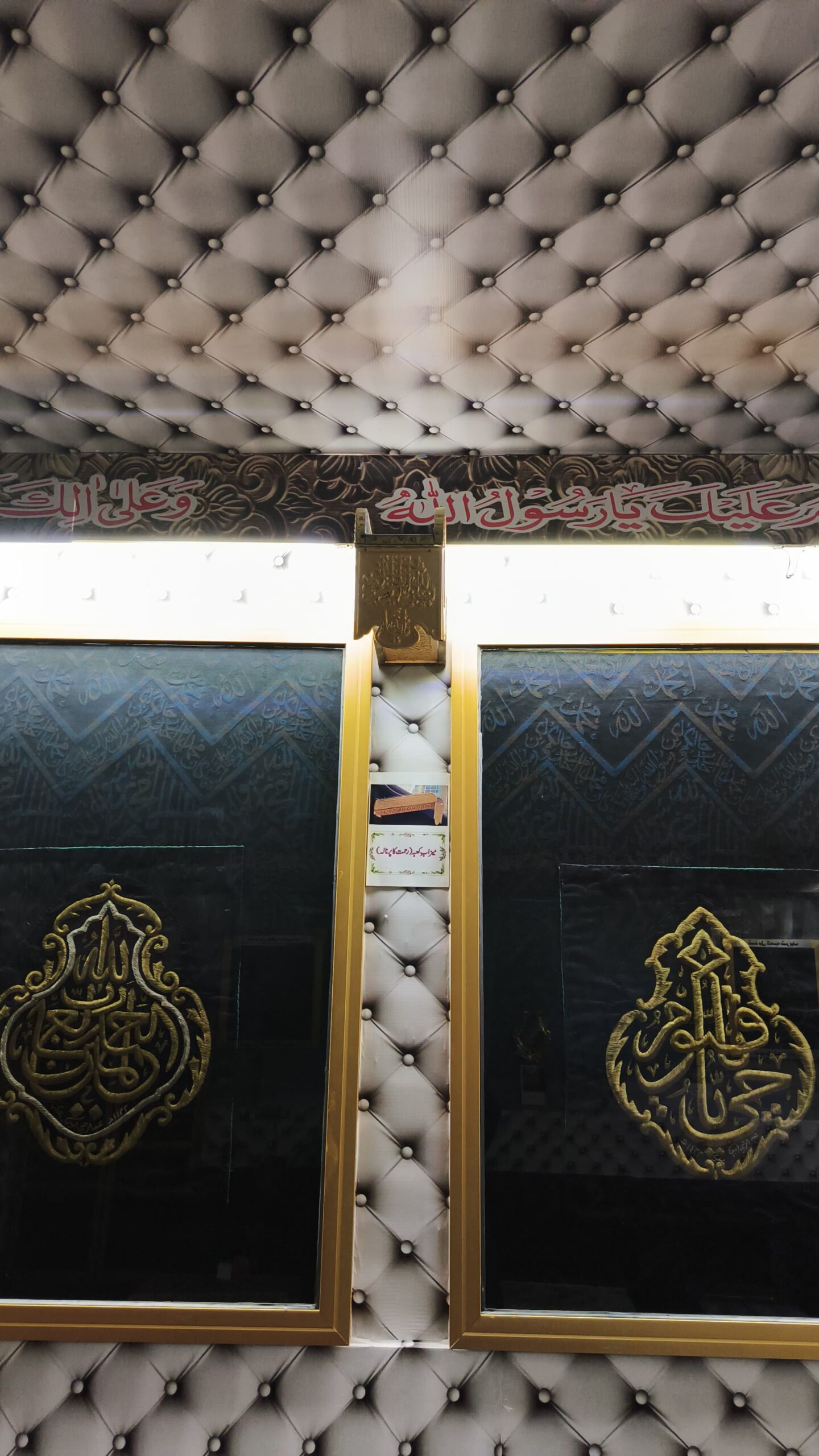
Meezab-e-Kaaba, also known as “Rehmat ka Parnala” (the Gutter of the Kaaba), is an important part of the sacred structure of the Kaaba in the Masjid al-Haram in Mecca. It holds great religious significance for Muslims, symbolizing the divine mercy and blessings that flow from Allah’s house, the Kaaba. The term “Meezab” refers to the rainwater spout that directs water away from the roof of the Kaaba, ensuring the sanctity of this holy place.
Origin and Creation
The Meezab was first installed during the time of the Prophet Ibrahim (AS) and has undergone several refurbishments throughout history. Its original purpose was to channel rainwater off the Kaaba’s roof. The current Meezab, made from pure gold, was installed during the reign of the Saudi King Abdulaziz in 1979. It is positioned at the northwest corner of the Kaaba.
Design and Material
The current design of the Meezab is a beautiful example of Islamic craftsmanship. It is made of high-quality gold and is approximately 2.5 meters in length. The spout of the Meezab is placed at an angle to direct rainwater away from the Kaaba’s walls. The intricate design showcases Islamic artistry, with Quranic verses engraved on it as a sign of reverence and devotion.
Religious Significance
The Meezab-e-Kaaba is considered a symbol of Allah’s mercy. The rainwater that flows from it is believed to carry blessings and purity. Pilgrims often stand beneath the spout to pray for divine blessings, as it is thought to be a moment of grace. The structure emphasizes the sanctity of the Kaaba and its continuous connection to Allah’s mercy.
Hijri Date and Creator
The Meezab’s golden spout was first installed during the reign of King Abdulaziz in the year 1400 AH (1979 CE). However, the concept and need for a spout can be traced back to the era of the Prophet Ibrahim (AS), during the time of the construction of the Kaaba itself.