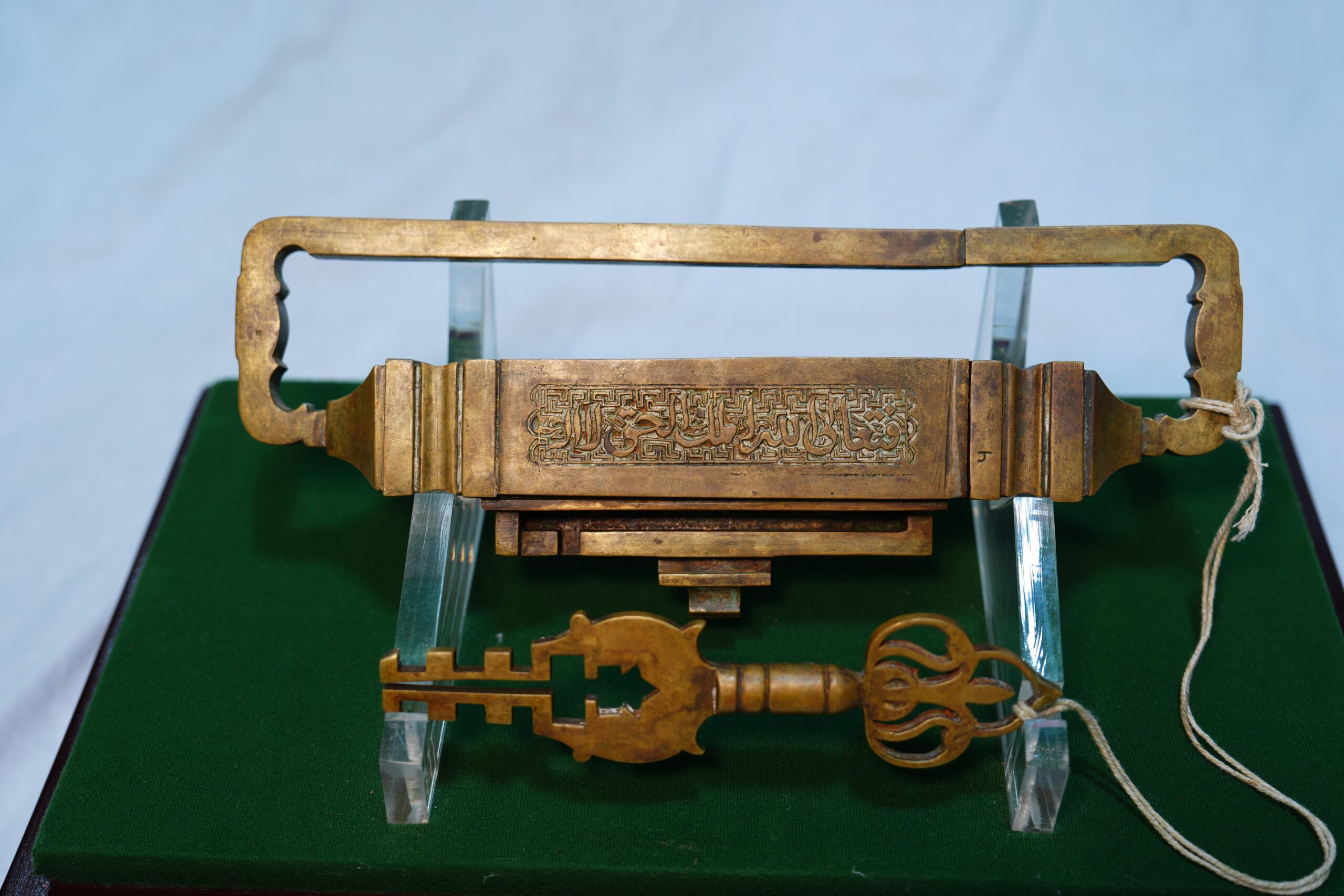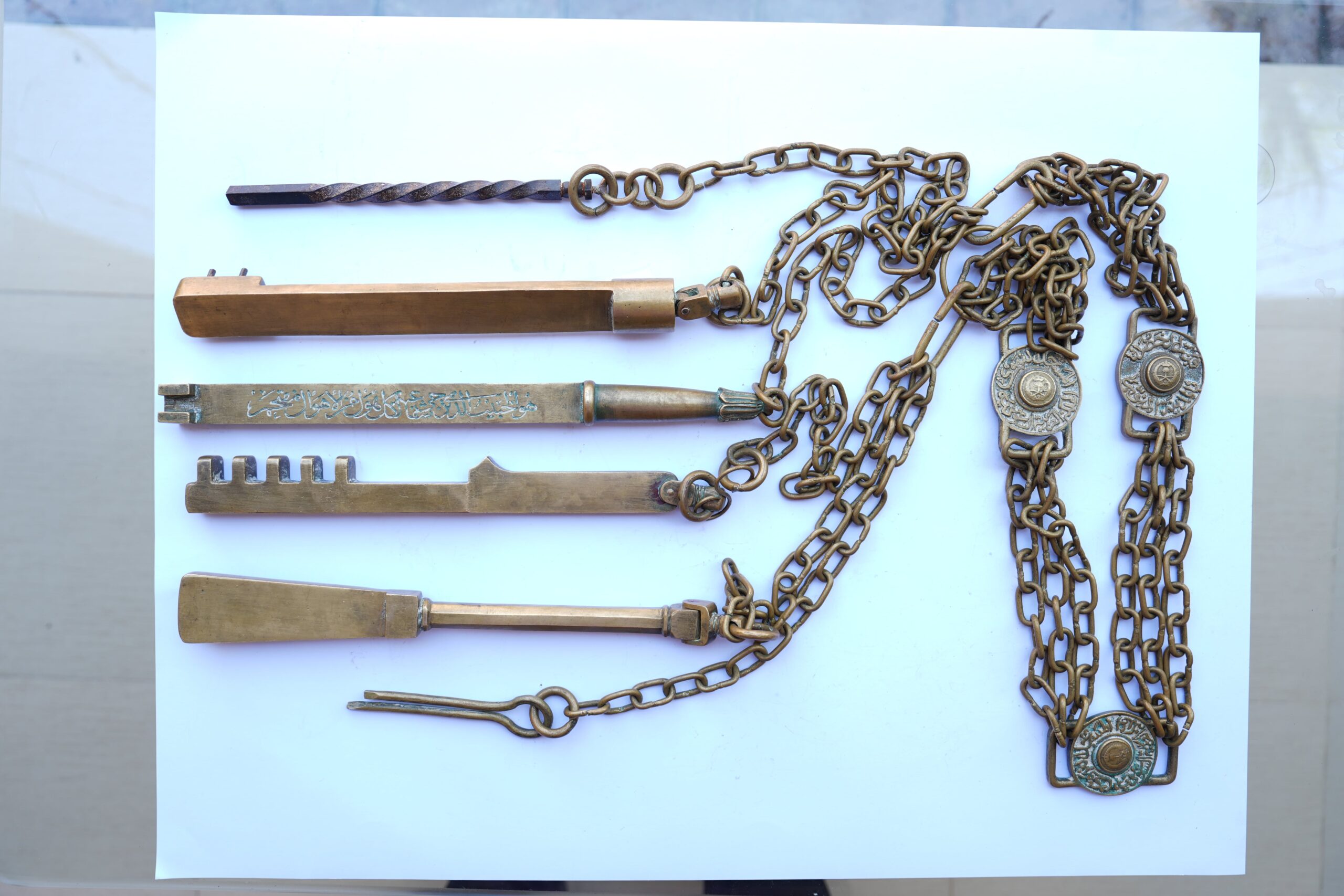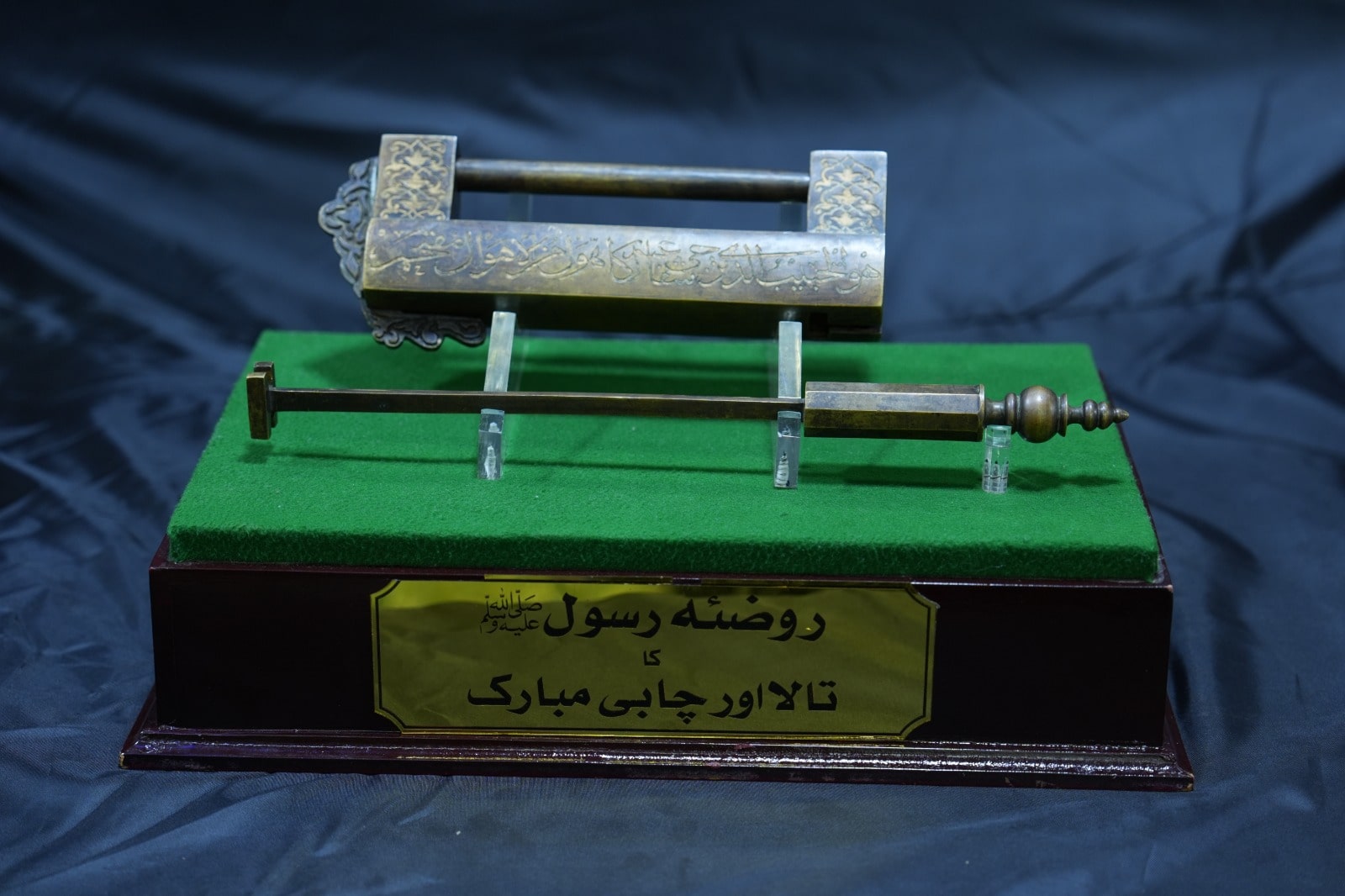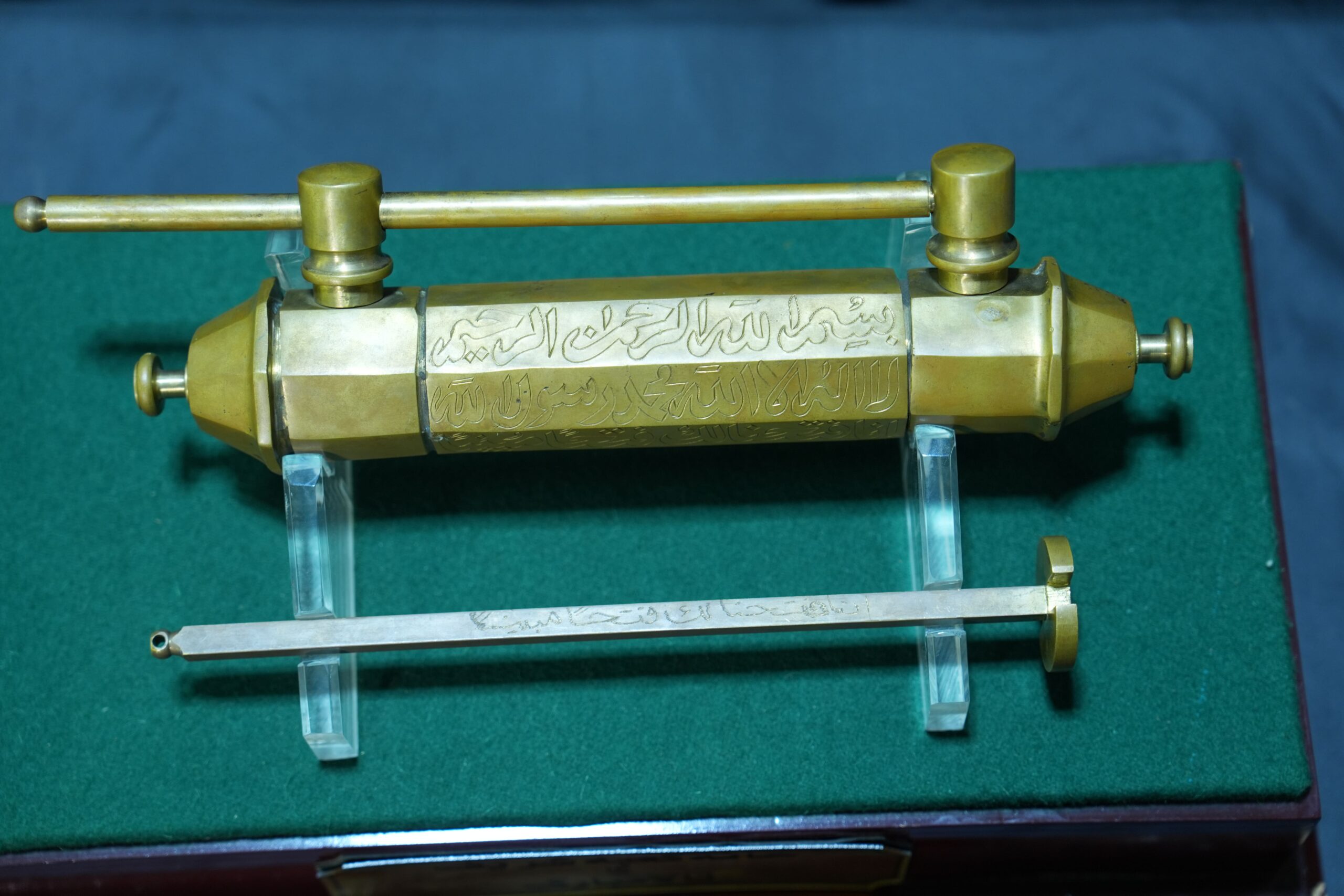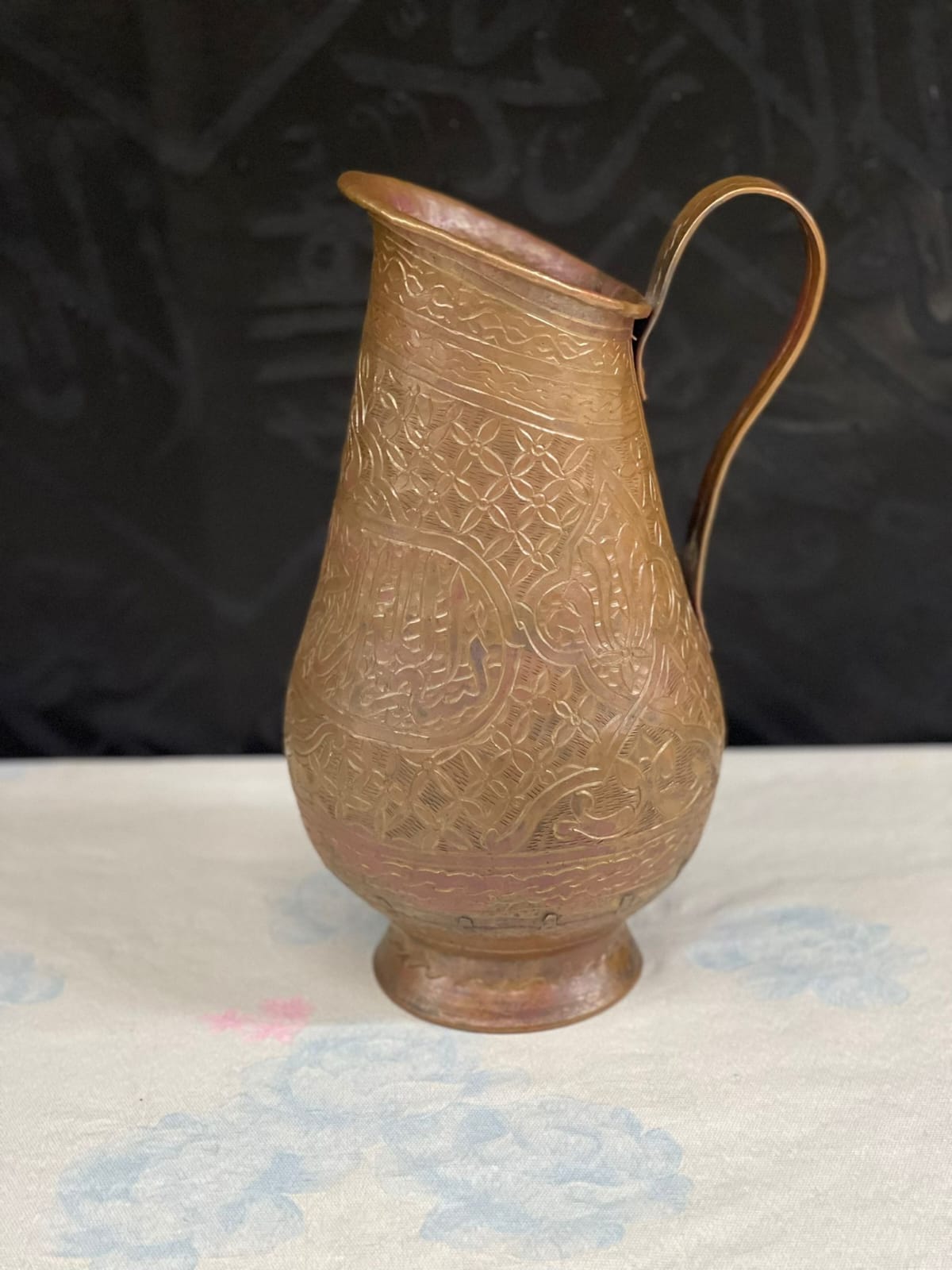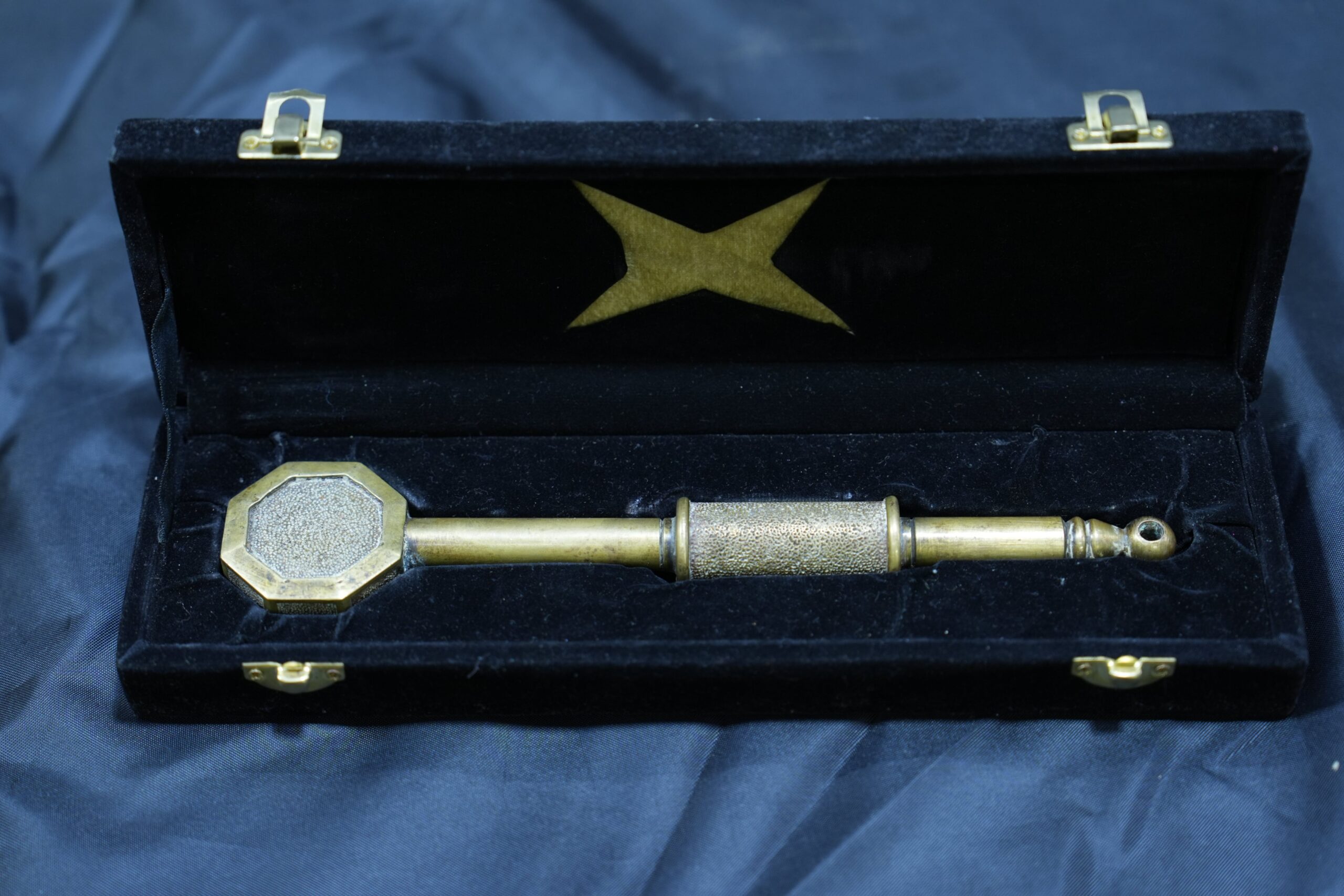
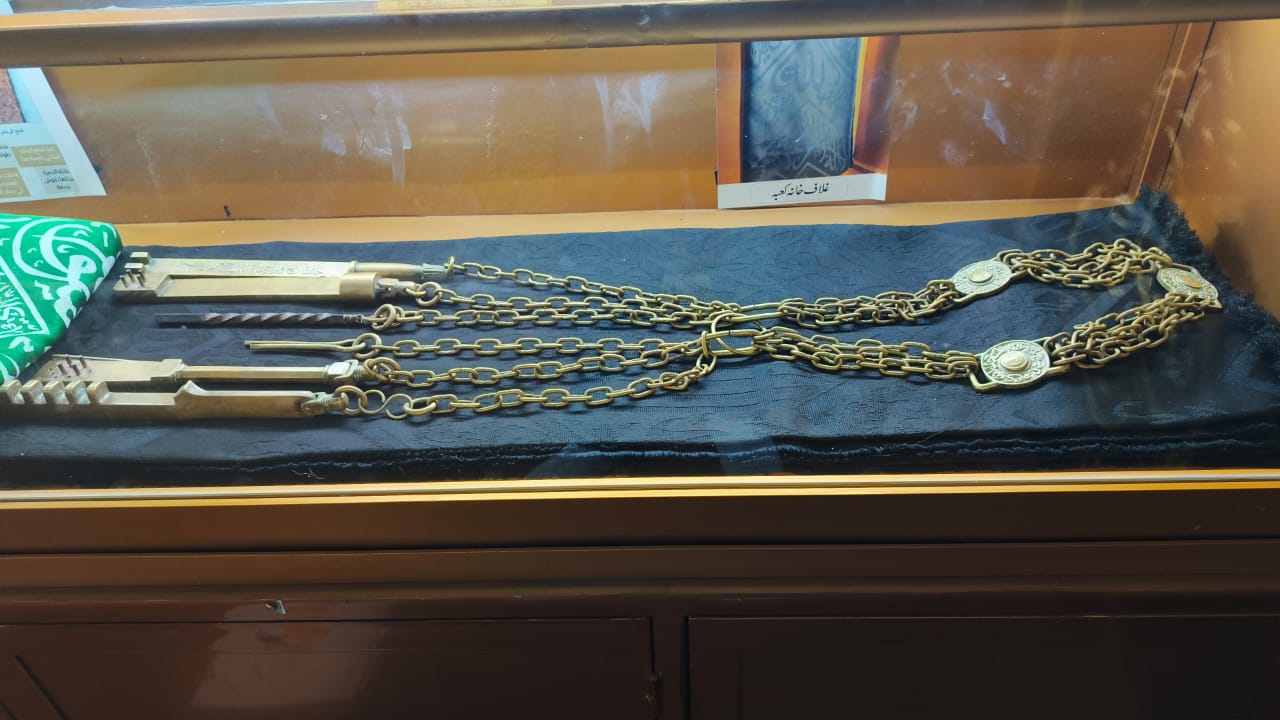
The keys of the sacred resting place of the Prophet Muhammad ﷺ, known as Roza-e-Rasool ﷺ, hold immense spiritual and historical significance in Islamic tradition. The Roza-e-Rasool ﷺ, located in Masjid al-Nabawi in Madinah, is one of the most revered places for Muslims worldwide. Over centuries, these keys have symbolized a deep connection to the Prophet ﷺ and his blessed resting place, reflecting an unparalleled level of respect and veneration.
Historical Significance of the Keys
The responsibility of safeguarding and managing the Roza-e-Rasool ﷺ has always been entrusted to devoted custodians. These custodians, often chosen from specific families or appointed by Islamic rulers, carry the privilege of holding the keys. The keys themselves have often been crafted with great care, engraved with Qur’anic verses, and designed as symbols of honor and reverence for the Prophet ﷺ.
In Islamic history, various caliphates and rulers, including the Umayyads, Abbasids, and Ottomans, played vital roles in preserving the sanctity of Roza-e-Rasool ﷺ. The keys have been passed down through generations, serving as a token of responsibility and devotion. The act of opening the gates to the Roza-e-Rasool ﷺ is seen as a profound privilege, performed with utmost humility and respect.
Spiritual Importance of the Keys
For Muslims, the Roza-e-Rasool ﷺ represents the physical presence of the Prophet ﷺ and serves as a focal point for prayer, reflection, and seeking blessings. The keys, as the tools that grant access to this sacred space, are imbued with spiritual meaning. They remind believers of the immense responsibility of honoring and preserving the sanctity of the Prophet’s ﷺ resting place.
The keys symbolize a connection to the legacy of the Prophet ﷺ, emphasizing the importance of humility, service, and dedication to Islam. They are a reminder of the trust bestowed upon those who hold them, reflecting the weight of safeguarding such a sacred site.
Custodianship in Modern Times
Today, the responsibility of the keys rests with the officials of the Kingdom of Saudi Arabia, who oversee the maintenance and care of Masjid al-Nabawi and Roza-e-Rasool ﷺ. The custodianship continues to follow the tradition of reverence and respect, ensuring that the sacred site remains a place of peace and spiritual inspiration for millions of Muslims who visit from around the globe.
Conclusion
The keys of Roza-e-Rasool ﷺ are more than mere physical objects; they are profound symbols of faith, history, and responsibility. Their legacy reflects the enduring love and respect that Muslims hold for the Prophet Muhammad ﷺ, serving as a reminder of the privilege and duty of preserving the sanctity of this blessed resting place for generations to come.