Introduction to the Abbasid Falus
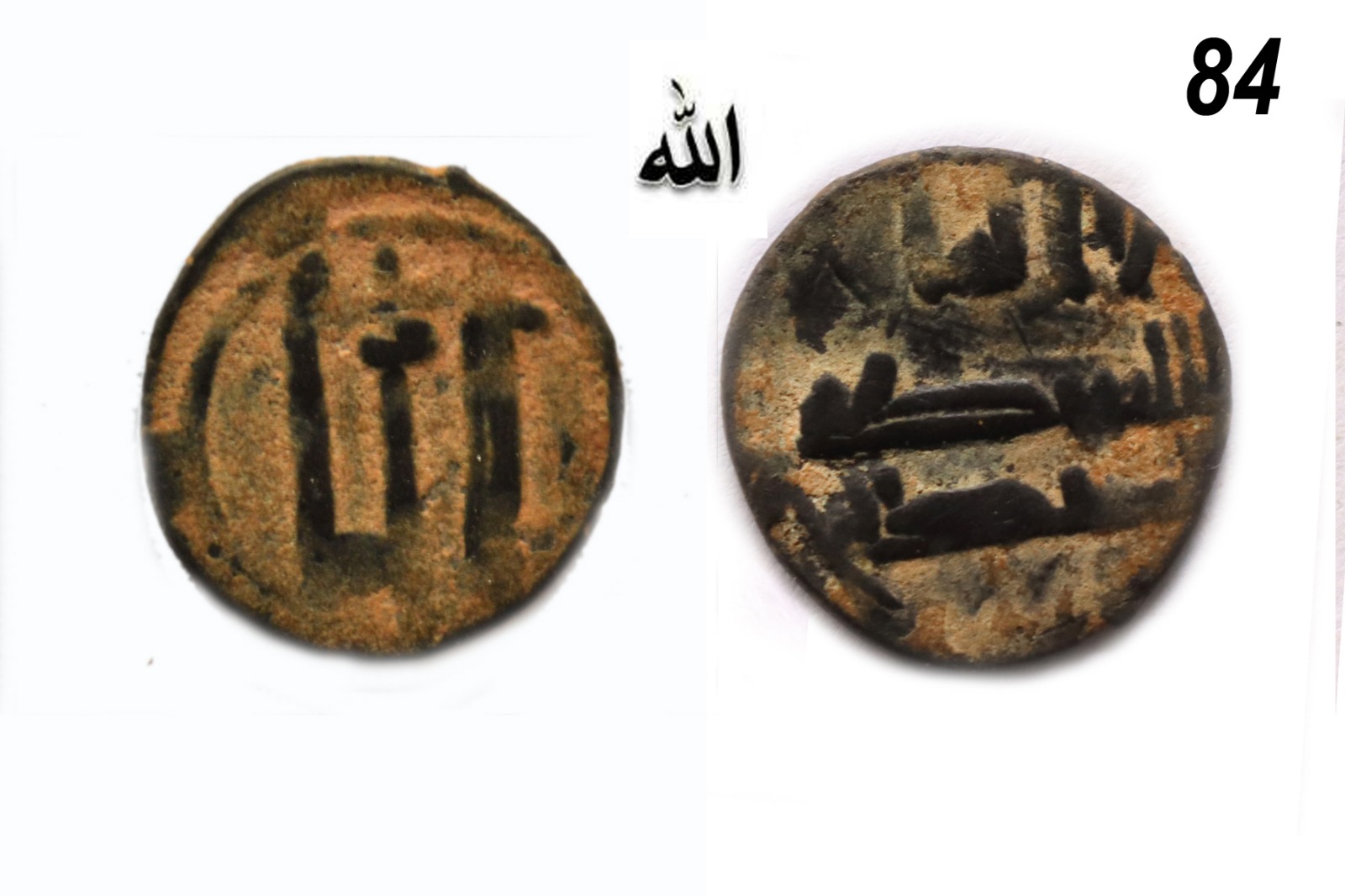
The Falus coins from the Abbasid Revolutionary Period (132-135 AH, or circa 750-753 CE) are critical numismatic pieces that shed light on the Abbasid rise to power. These coins were struck by notable figures such as Abd Allah (Abu Muslim) and Salih bin Ali, who were instrumental in the Abbasid revolt against the Umayyad Caliphate. The design of the coins and the inscriptions found on them reflect the political and religious ideology of the early Abbasid period, where the revolutionary sentiment and the religious legitimacy of the Abbasid dynasty were affirmed.
Issuers and Historical Background
The Abbasid Revolutionary Period was marked by the overthrow of the Umayyad Caliphate, a significant shift in Islamic governance. Abd Allah (Abu Muslim) was a prominent figure in the rebellion, acting as a general and an important strategist for the Abbasid movement. Salih bin Ali was a key figure within the Abbasid family, and their leadership played a crucial role in the foundation of the Abbasid Caliphate.
The coins were struck in various locations, including al-Basra, and played an essential role in both funding the Abbasid revolution and solidifying their political power by circulating across the empire.
Design and Inscriptions
These coins feature specific religious and political inscriptions that highlight the core values of the Abbasid revolution and their Islamic legitimacy.
- Obverse Design:
The central legend reads: “لا إله إلا الله وحده” (There is no deity except God, the One), emphasizing the monotheistic belief at the heart of Islam. The marginal legend in some versions adds: “لا شرك له” (He has no equal), underscoring the uniqueness of God. The design typically includes a solid circle surrounding the inscriptions, reinforcing the divine message and the inclusivity of the Islamic faith. - Reverse Design:
The reverse inscription reads: “محمد رسول الله” (Muhammad is the Messenger of God), a powerful declaration of the Prophet Muhammad’s role as the final messenger. Additional texts emphasize the divine mission, stating: “محمد رسول الله ارسله بالهدى و دين الحق ليظهره على الدين كله ولو كره المشركون” (Muhammad is the Messenger of God, He sent him with guidance and the true religion to reveal it to all religions, even if the polytheists abhor it).
These inscriptions were meant not only to affirm the Islamic faith but also to legitimize the Abbasid revolution, promoting the idea that their rise to power was ordained by God.
Minting Locations and Years
The Falus coins were struck in significant locations such as al-Basra, which was a major center during the Abbasid period. The years of minting, ranging from 132 AH to 135 AH, are critical in understanding the timeline of the Abbasid revolution. These coins were minted with the inscription:
“بسم الله ضرب هذا الدرهم بالبصرة سنة…” (In the Name of God, this dirham was struck in al-Basra in the year…), followed by the year of minting. This served as both a religious affirmation and a mark of the Abbasid’s control over the region.
Significance in the Abbasid Revolution
These Falus coins were more than just currency—they were powerful propaganda tools for the Abbasid revolutionaries. By inscribing the Shahada (Islamic declaration of faith) and affirming the legitimacy of the Abbasid cause, these coins played an essential role in spreading the revolution’s ideological message. The religious themes on the coins helped to unify the masses under the banner of Islamic governance, marking the Abbasids as the rightful rulers of the Muslim world.
Rarity and Collectibility
These Abbasid coins are highly collectible among numismatists due to their historical significance, rarity, and connection to the Abbasid revolutionary period. The Falus coins provide invaluable insights into the political, economic, and religious dynamics of the early Islamic world, making them key artifacts for collectors and historians alike.