Overview
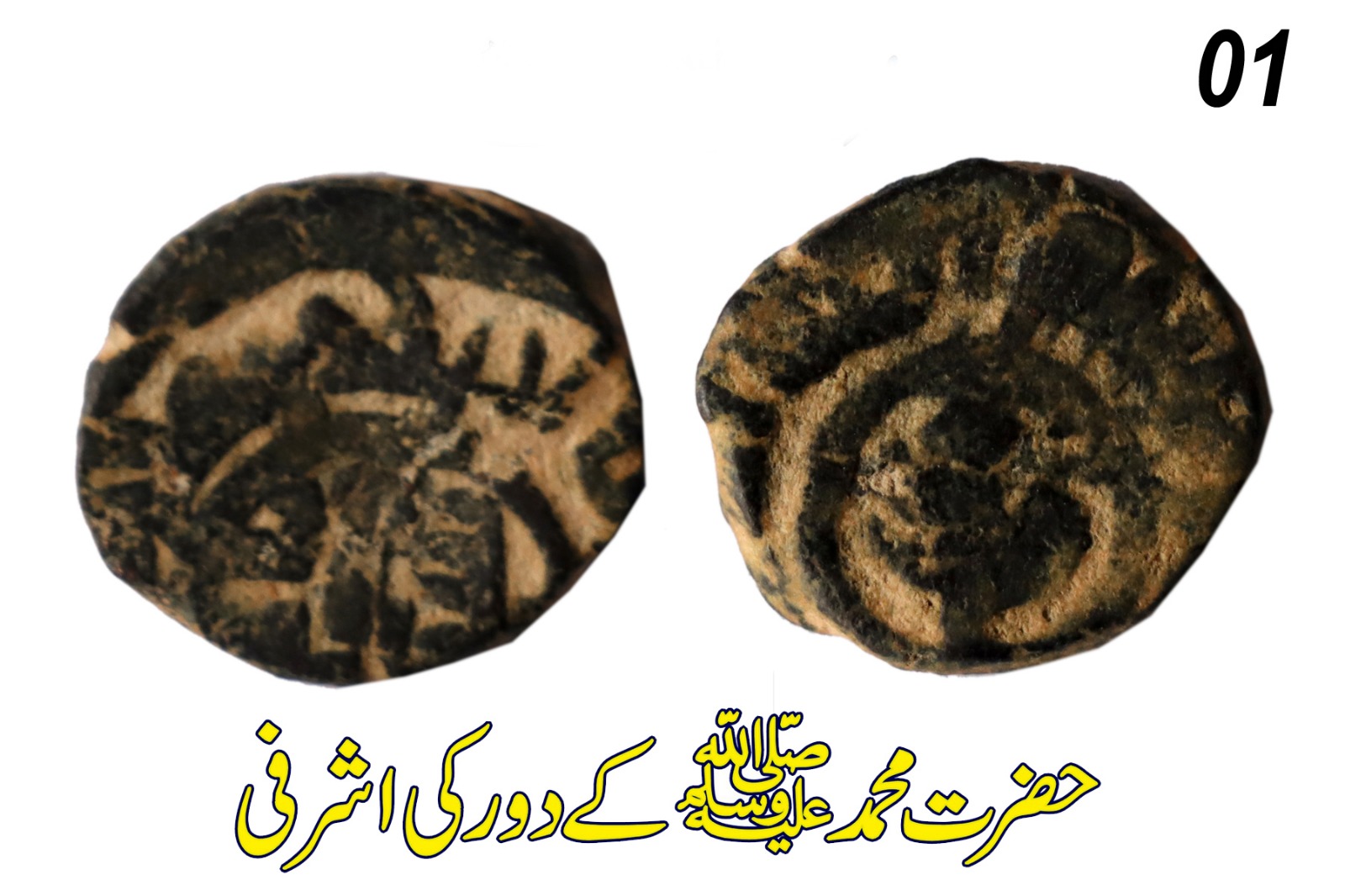
The Fals of Salah-ad-Din Hajji II was a copper coin issued by the Mamluk Sultanate during the rule of Sultan Hajji II. This coin was minted in 783 AH (1382 AD) and served as a standard circulation coin within the empire. It held a value of 1/60th of a Dinar, making it a commonly used currency for everyday trade and minor financial transactions.
Historical Context and Issuer
The coin was issued under the reign of Sultan Hajji II, who ruled the Mamluk Sultanate in two distinct periods: 1381-1382 AD (First reign) and 1389-1390 AD (Second reign). His rule was marked by the transition from the Bahri Mamluk dynasty to the Burji Mamluk dynasty, which brought significant political and military shifts within the region.
This particular coin was minted in Damascus, which was one of the most prominent economic and cultural centers of the Mamluk Empire. As a vital trading hub, Damascus played a crucial role in commerce and governance during the Mamluk era.
Coin Features and Composition
- Issuer: Mamluk Sultanate
- Sultan: Salah-ad-Din Hajji II
- Year of Minting: 783 AH (1382 AD)
- Calendar: Islamic (Hijri)
- Value: 1 Fals (1/60 of a Dinar)
- Currency: Dinar (1250-1517 AD)
- Material: Copper
- Weight: 2.95 grams
- Diameter: 18 mm
- Shape: Round (Irregular)
- Minting Technique: Hammered
- Demonetized: Yes
The Fals was created using the hammered coinage technique, a common method in medieval Islamic numismatics. Due to the manual striking process, the coins often had irregular shapes and variations in size and design.
Obverse Design and Inscription
The obverse side of the coin features an Arabic inscription displaying the title and name of the Sultan, Salah-ad-Din Hajji II. This inscription is arranged inside an ornamental cartouche, surrounded by a decorative circular border.
Lettering:
السلطان الملك الصالح صلاح الدين حاجى
Translation:
Al-Sultan al-Malik al-Salih Salah ad-Din Haji
(“The Sultan, the Virtuous Ruler, Salah-ad-Din Haji II”).
Reverse Design and Inscription
The reverse side of the coin contains a fleur-de-lys motif, surrounded by four points and a circular border. Around this design, there is an inscription indicating the place of minting and the full date in Arabic.
Lettering:
ضرب بدمشق سنة ثلث وثمانين وسبعماية
Translation:
Duriba bi Dimashq sanat thelath wa thamaneen wa sab’ mi’at
(“Struck in Damascus, in the year seven hundred and eighty-three”).
Significance and Numismatic Rarity
- The first reign (1382 AD) marked Hajji II as the last ruler of the Bahri dynasty.
- His second reign (1389-1390 AD) was under the Burji dynasty, a new power shift in the Mamluk Sultanate.
- The coin is relatively rare, with a Numista Rarity Index of 93, making it an interesting piece for collectors and historians.