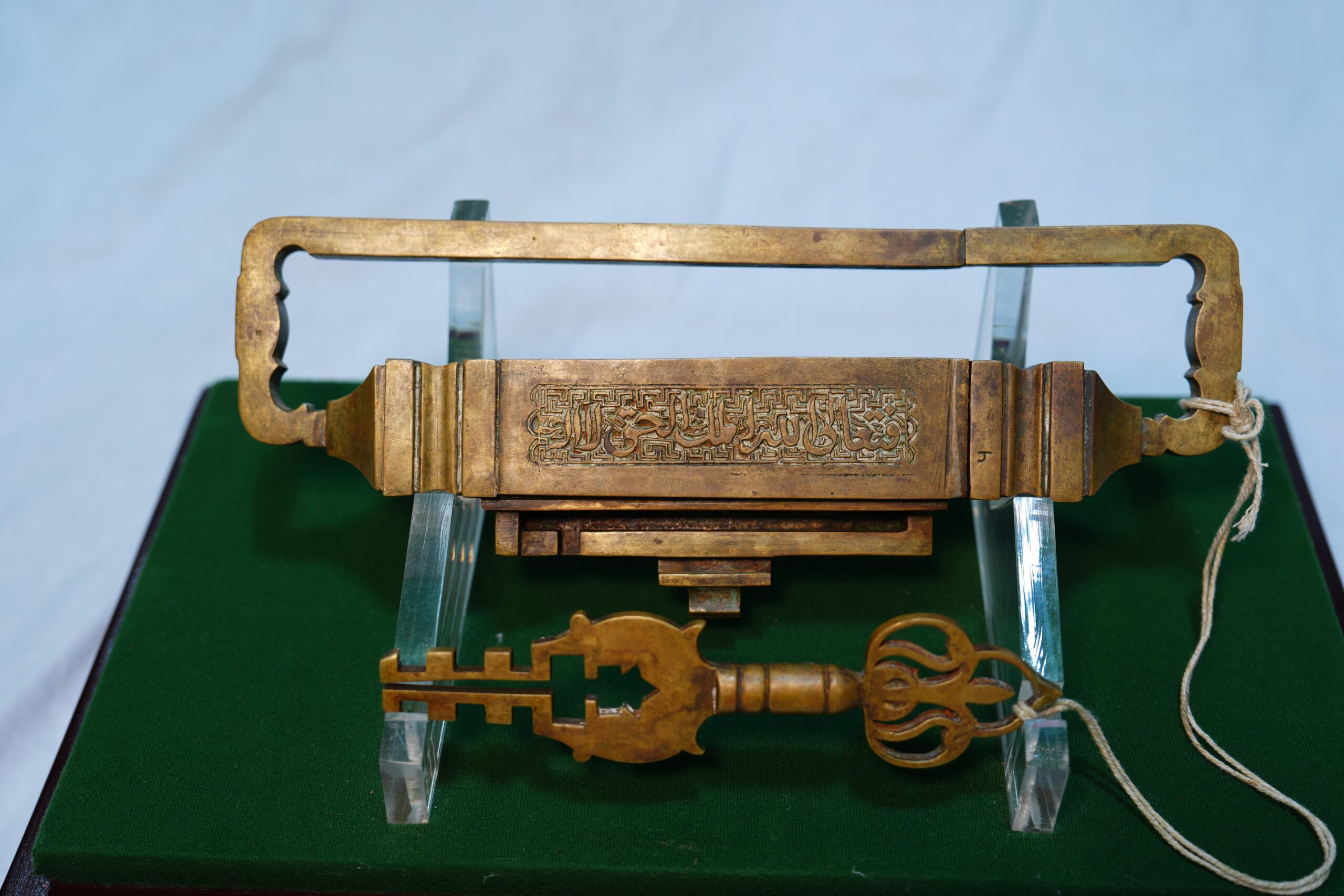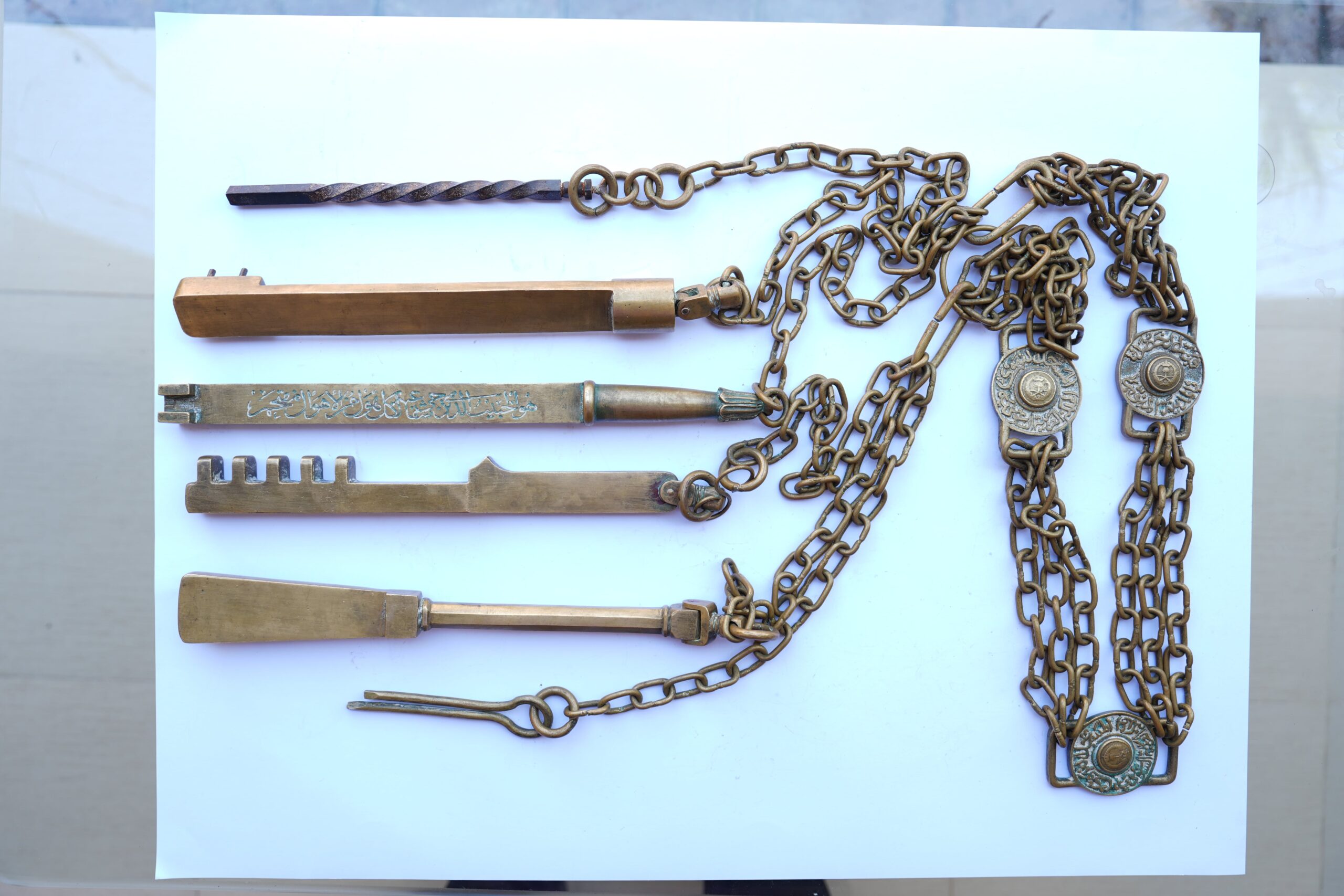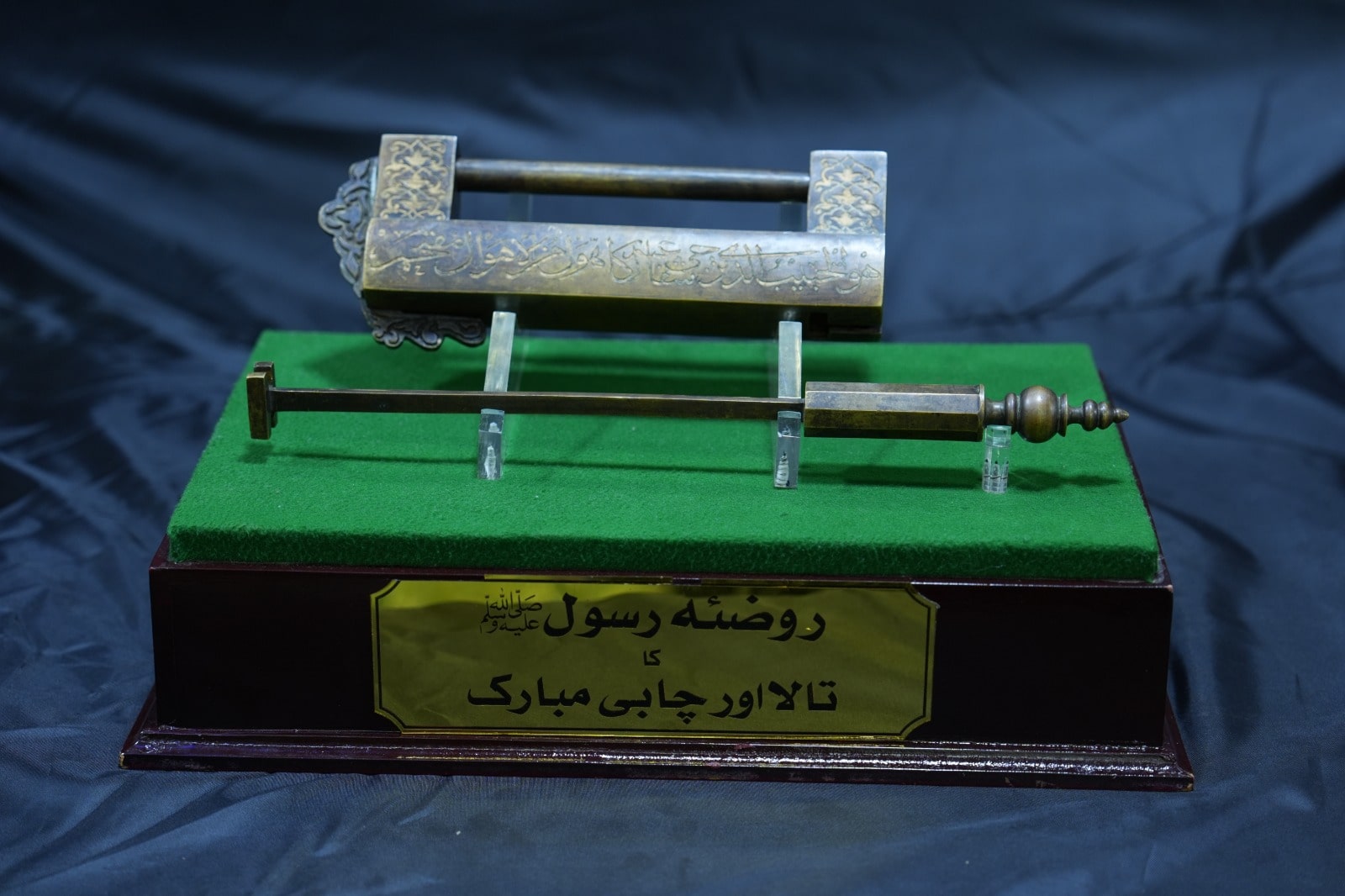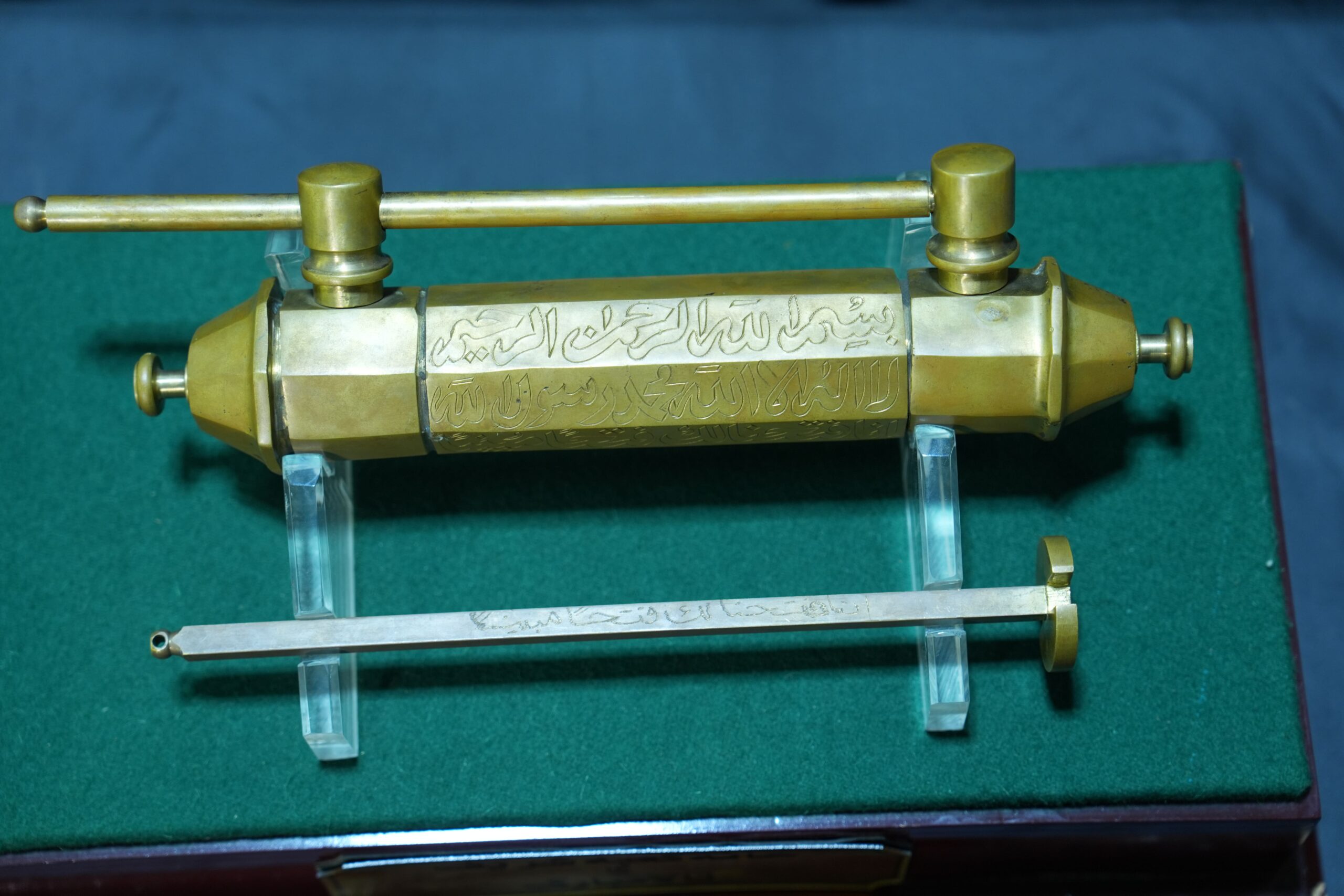
Ottoman devotional offering immersed in the love of the Prophet Muhammad (PBUH) — The Holy Star, 1227 AH
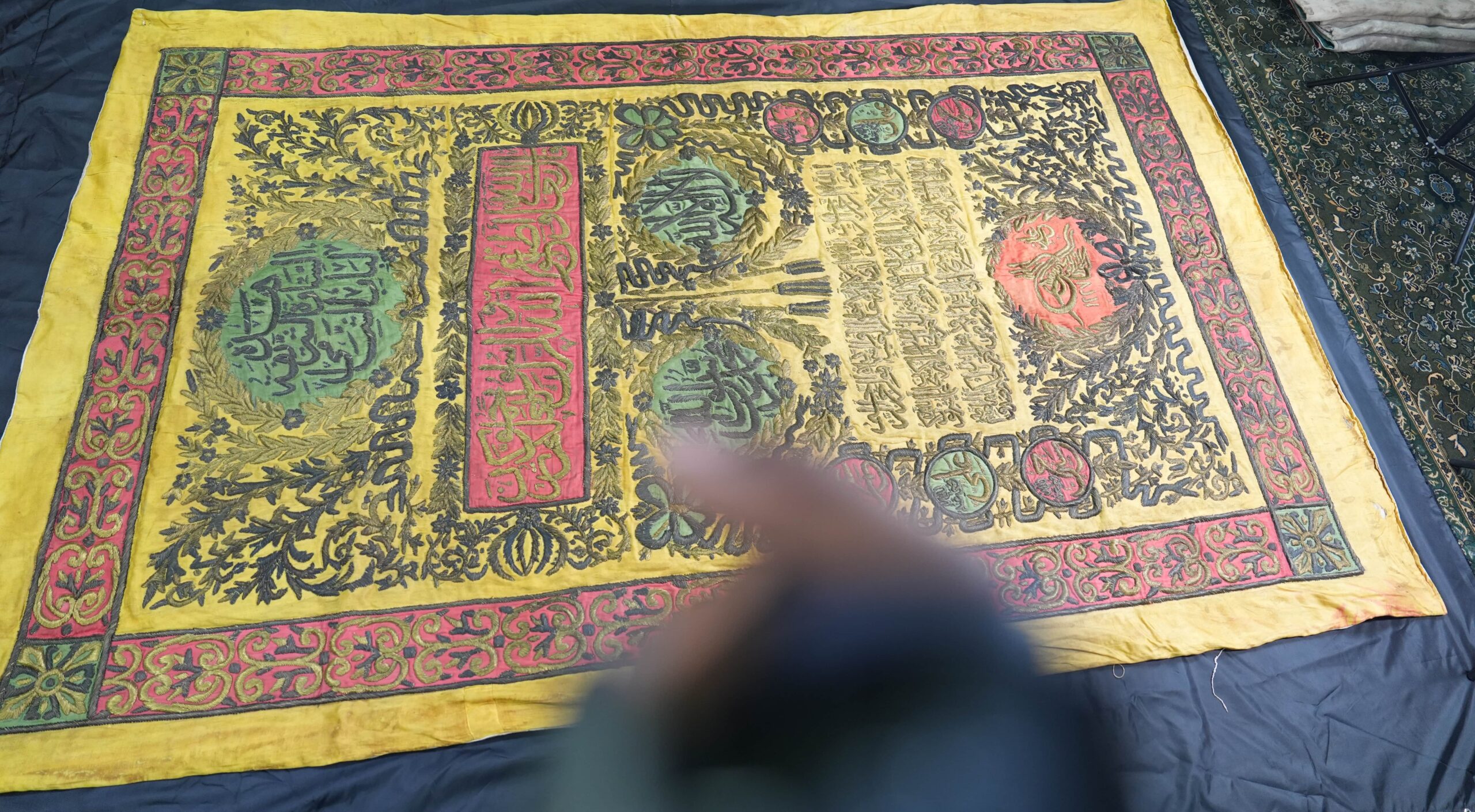
In the year 1227 AH, during the reign of the Ottoman Caliphate, which was filled with dignity, light and spiritual grandeur, this Holy Star of Love for the Prophet Muhammad (PBUH) was prepared with deep devotion and unparalleled literature. This was a time when the Ottoman Caliphate considered serving the Holy Shrine of the Prophet Muhammad (PBUH) the pride of its empire and the servitude of the Holy Prophet (PBUH) its greatest honor. Under this spirit of loyalty and love, this Holy Star was prepared with great sincerity and presented to the Holy Shrine of the Prophet Muhammad (PBUH), so that it would always bear witness to the love, devotion and servitude of the Prophet Muhammad (PBUH) in the atmosphere of Medina.
Date: 1227 AH
Order of Preparation: Ottoman Caliphate
Period: Sultan Mahmud II — Ottoman Caliphate
Relation: Holy Shrine of the Prophet Muhammad, Medina
Preparation: Exquisite gold and silver work, high-quality fabrics and hand-made Ottoman spiritual engravings
Central: Holy Quranic verses in Ottoman calligraphy — a beautiful expression of monotheism and divine worship
Prominent in the center: Holy Quranic verses — which are the spiritual message and spiritual center of this sacred star
Surroundings: The word “Tayyaba” is written in a box, which represents the foundation of faith, monotheism and Islam
Around the edges: A luminous fence of blessings and peace and traditional Ottoman adhikr
Engraving/carving: A luminous fence of blessings and peace and traditional Ottoman adhikr, which gives spiritual protection and enlightenment to this sacred gift
Right and left side boxes: Hazrat Abu Bakr The blessed names of Siddiq (RA), Hazrat Usman Ghani (RA) and Hazrat Ali (RA) – Symbol of the Rightly Guided Caliphate, loyalty, sacrifice and the Prophetic literature
Colors used:
Yellow and golden background – Symbol of light, holiness and the glory of the Prophetic Court (PBUH)
Green – Relation to Medina, spiritual life and peace of heart
Red – Love of Mustafa (PBUH), devotion, sacrifice and Ottoman sincerity
Black pattern – Dignity, protection and depth of spiritual writing
Symbolic symbols: Monotheism, servitude, love of the Prophet (PBUH), illumination and the spiritual dignity of the Ottoman Caliphate
Calligraphy art: A beautiful combination of Ottoman bold, decorative and spiritual calligraphy
Intention of preparation: To present the Holy Shrine of the Holy Prophet (PBUH) with devotion, literature and a permanent spiritual connection
Spiritual description of the Holy Star
This Holy Ottoman Star is not just a masterpiece of exquisite craftsmanship, colors and calligraphy, but is also a masterpiece of the heart of the Ottoman Caliphate It is a living expression of monotheism, divine worship and love for the Prophet Muhammad (peace be upon him). This offering, prepared in the year 1227 AH, represents the era when serving the Holy Prophet (peace be upon him) was considered the greatest blessing of the kingdom.
The Quranic verses at the center of this star are the focus of its spiritual message, the Kalima Tayyaba in the surrounding boxes highlights the foundation of faith and the oneness of God, while the blessed names of Hazrat Abu Bakr Siddique (may Allah be pleased with him), Hazrat Uthman Ghani (may Allah be pleased with him) and Hazrat Ali Al-Murtaza (may Allah be pleased with him) on the right and left sides are a bright symbol of the rightly guided Caliphate, loyalty, justice and the Prophetic literature (peace be upon him). The luminous fence of blessings and greetings and traditional Ottoman azkars around the edges keeps it in the eternal circle of remembrance and love.
The yellow and golden background symbolizes light and holiness, the green color shows the spiritual connection of Medina, the red color represents the love of Mustafa (peace be upon him) and sacrifice, while the black imprints highlight the dignity and depth of spiritual writing.
This sacred star remained hanging on the Holy Shrine of the Prophet (peace be upon him) for many years, and later it was preserved for a long time in the Hejaz Museum, Medina. After that, this great spiritual trust was given as a gift by the Saudi government to the spiritual healer Pir Usman Sahib. Today, it is present in all its glory and dignity in the Tabrakat Museum, Qaimpur, Bahawalpur District, where the lovers of the Prophet (peace be upon him) have the honor of visiting.