Introduction:
The Umayyad Caliphate, one of the most significant early Islamic empires, spanned from 661 to 750 CE. Known for its administrative and military advancements, the Umayyads left behind a legacy that includes distinctive coinage. Among these coins, the AE Fals stands out as an important part of the Islamic numismatic history. This AE Fals coin, found in circulation, is a historical artifact that offers valuable insight into the economic and political landscape of the Umayyad period.
Overview of the Coin:
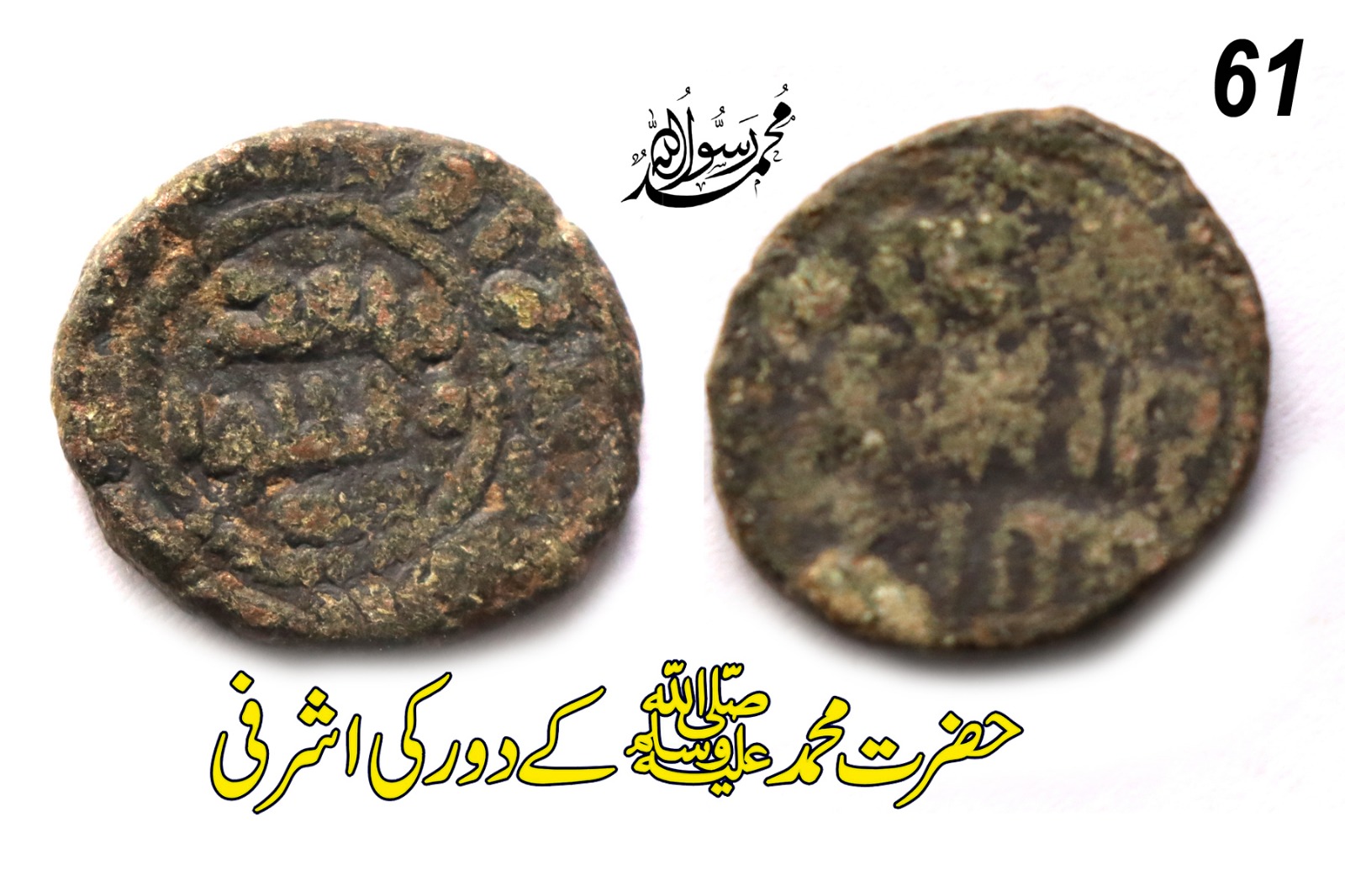
The AE Fals is a copper coin used during the early years of the Umayyad Caliphate. It typically weighs around 4 grams and has a diameter of 20-22 mm. The coin was used for everyday transactions and was minted in various regions of the caliphate, reflecting the empire’s expansive reach. The AE Fals was one of the most common denominations in circulation during the Umayyad period, which helped facilitate trade across the vast Islamic territories.
Obverse and Reverse Designs:
The obverse of the AE Fals often features Islamic inscriptions, including the Shahada, the Islamic declaration of faith, which translates to “There is no god but Allah.” The reverse typically displays the name of the reigning caliph, sometimes along with a mint mark or other inscriptions indicating the place of issue. These inscriptions not only served as symbols of Islamic identity but also indicated the political control of the Umayyad rulers over their territories.
Minting and Distribution:
The AE Fals was minted in various cities across the Umayyad empire, including Damascus and Kufa, among others. The widespread use of this coin points to the empire’s robust trade networks and the need for a standardized currency system that could facilitate the growing economy. The AE Fals was likely minted at different times during the Umayyad reign, which means there could be slight variations in design and inscriptions.
Historical Significance:
The AE Fals holds historical significance as a representation of the Umayyad Caliphate’s economic infrastructure. The coin’s widespread use indicates the stability and expansion of the empire during its peak. The Umayyads were the first to issue Islamic coinage free of imagery of human figures, which marked a departure from Byzantine and Sassanian traditions. This coin type played a pivotal role in promoting Islamic identity and commerce across diverse regions of the Islamic world.
Current Market and Collecting Interest:
The AE Fals is of significant interest to collectors of Islamic coins. Due to its historical importance and relatively widespread availability, it remains a popular and accessible type for collectors. Coins from the Umayyad period, particularly well-preserved examples, can fetch higher prices, reflecting the ongoing demand for Islamic numismatic items in the market.