Issuer and Historical Context
The Fals coin from Ba’albak was issued during the reign of the Umayyad Caliphate, specifically between the years 696 and 750 AD (Islamic Calendar, 77-132 AH). The Umayyad Caliphate, established after the death of Prophet Muhammad (PBUH), was one of the first major Islamic empires, and its coinage system played a crucial role in unifying the vast territories under its rule. This Anonymous Fals coin was minted in Ba’albak (modern-day Baalbek, Lebanon), a significant city in the region during the Umayyad period. The coin was part of the standard circulation used throughout the Caliphate.
Coin Specifications
- Issuer: Umayyad Caliphate
- Denomination: 1 Fals (1/60th of a Dinar)
- Weight: 5.96 grams
- Diameter: 18 mm
- Composition: Copper
- Shape: Round (irregular)
- Technique: Hammered
- Demonetized: Yes (no longer in circulation)
- Calendar: Islamic (Hijri), Year 124 (742 AD)
- Currency: Dinar (661-750 AD)
- References: Mitch WI#62, BMC Walk 1#777
- Rarity Index: 78 (Numista)
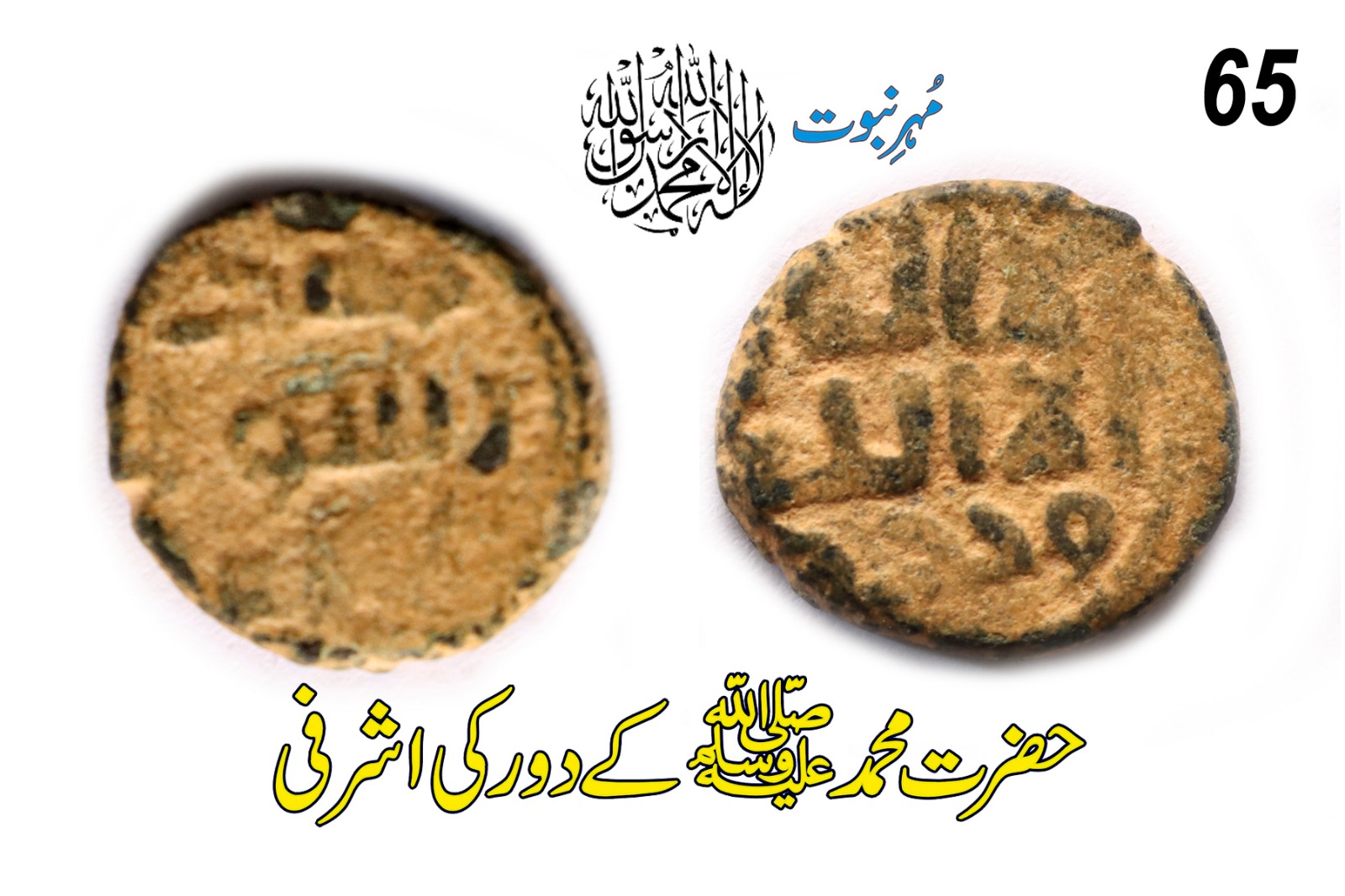
This Fals coin has a weight of 5.96 grams, with a diameter of 18 mm, and is made of copper. It features a hammered technique, meaning it was struck by hand, resulting in slight irregularities in its shape.
Obverse Design
The obverse of this coin is inscribed with the Arabic phrase: “لا إله إلا الله” which translates to “There is no God but Allah, the single.” This inscription emphasizes the core belief of Islam, asserting the monotheistic foundation of the faith. The simple yet powerful inscription was intended to make a statement of Islamic identity and was a key feature in the coinage of the early Islamic period.
Reverse Design
On the reverse of the coin, the inscription reads: “محمد رسول الله”, which translates to “Muhammad is the Prophet of Allah.” This inscription further emphasizes the legitimacy of the Umayyad Caliphate, affirming the centrality of Prophet Muhammad’s message and its importance to the Islamic world. The reverse design, like the obverse, carries a powerful religious and political statement.
Circulation and Devaluation
This coin was part of the standard currency used during the Umayyad Caliphate’s reign and served as a medium of exchange for everyday transactions. Over time, however, as new coinage systems were introduced, the Fals became demoted, no longer circulating as legal tender. Despite its demonetization, this coin remains a valuable historical artifact, reflecting the political and economic landscape of the Umayyad Caliphate.
Rarity and Collectibility
This Anonymous Fals from Ba’albak is considered common among collectors of early Islamic coins, though its rarity index is rated at 78 by Numista. The coin is typically found in various conditions, ranging from VG (Very Good) to UNC (Uncirculated). With its historical significance and religious inscriptions, it is a prized piece for collectors interested in the Islamic medieval era.