Issuer and Historical Context
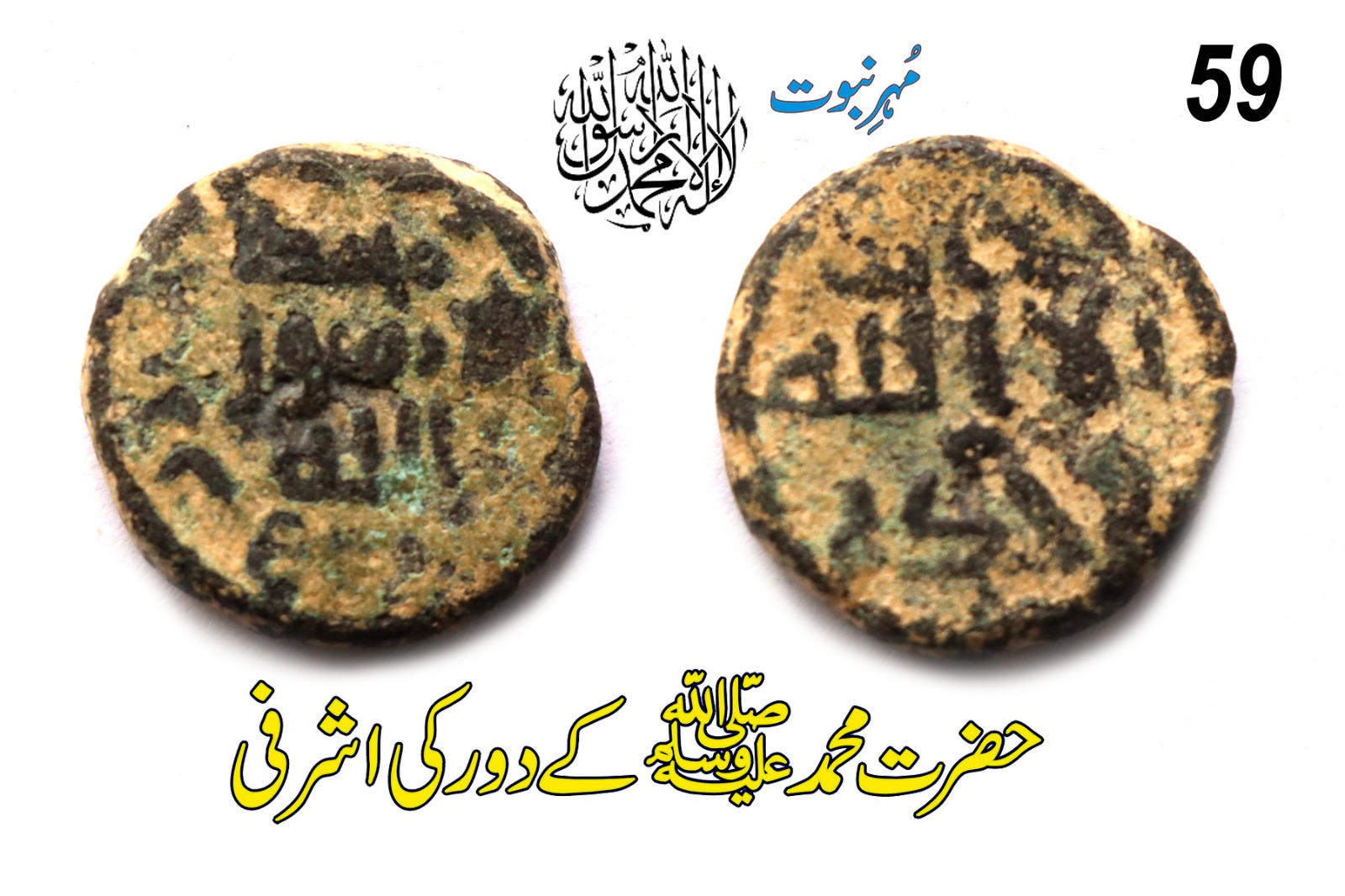
The Umayyad Caliphate was one of the first major Islamic empires, establishing its rule following the death of the Prophet Muhammad. The Early Post-Reform period refers to the time following the major coinage reforms carried out by Caliph Abd al-Malik around the late 7th century. These reforms sought to standardize coinage and eliminate non-Islamic symbols on the currency. This AE Fals (bronze coin) was minted during this transitional period, reflecting the Umayyad attempts to streamline and centralize the currency system.
Coin Specifications
- Issuer: Umayyad Caliphate
- Era/Ruler: Early Post-Reform period
- Denomination: AE Fals (Bronze)
- Weight: 2.95 g
- Diameter: 21.4 mm
- Mint/Date: Eastern Style, Circa late 7th to early 8th century
- Reference: Album 153
- Rarity: Common, in VF (Very Fine) condition
This coin weighs 2.95 grams and has a diameter of 21.4 mm, making it a standard size for smaller denominations in the Umayyad coinage system. The Eastern style design indicates that it was minted in regions influenced by Persian and Byzantine artistic traditions.
Design and Inscriptions
The obverse and reverse of this AE Fals feature parts of the kalima (the Islamic declaration of faith).
- Obverse: The first half of the kalima is inscribed in three lines within a circle: “There is no god but Allah”.
- Reverse: The continuation of the kalima in three lines within a circle: “Muhammad is the Messenger of Allah”.
These inscriptions serve to emphasize the Islamic identity of the coin and the religious legitimacy of the Umayyad Caliphate.
Mint and Geographic Significance
While the coin does not feature a mint name, this absence suggests that it was part of a centralized minting system introduced by Caliph Abd al-Malik. This system allowed coins to be produced without the need for specific mint markings, facilitating easier circulation across the vast Umayyad territories, which spanned from Spain to India.
The coin’s design and standardization were significant in maintaining political and economic stability across the empire, aiding in commerce and trade across diverse regions.
Historical Significance and Standardization of Coinage
The Early Post-Reform period marked a crucial point in the evolution of Islamic coinage. Caliph Abd al-Malik’s reforms led to a more uniform currency system, removing previous images of Byzantine and Sassanian rulers in favor of Islamic symbols and inscriptions. This coin represents an important moment in the Umayyad dynasty’s efforts to consolidate their authority and assert Islamic values in the monetary system.
Coins from this period helped promote the Umayyad Caliphate’s growing influence and were widely circulated across the Middle East and beyond, playing a key role in supporting the empire’s economy.
Rarity and Collectibility
This coin, although relatively common, is highly valued for its historical significance and its representation of the post-reform period of the Umayyad Caliphate. The VF condition (Very Fine) makes it an appealing piece for collectors and numismatists. With its historical context and unique design, this coin remains an important collectible for those interested in Islamic numismatics and the history of the Umayyad Caliphate.