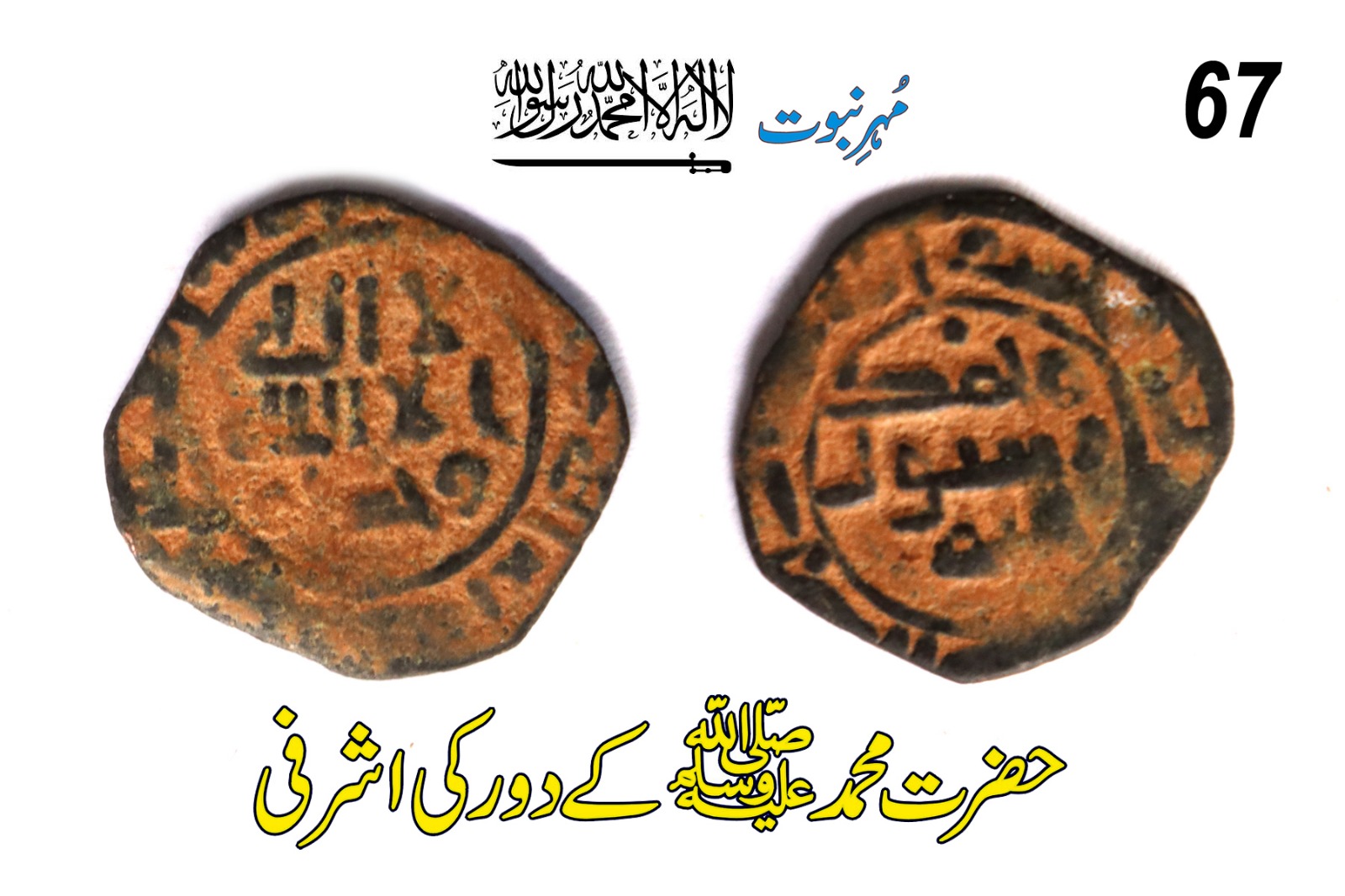
The Fals AE coin from the Umayyad Caliphate represents a significant historical artifact, minted in Dar’at, located in modern-day Deraa, southern Syria. This undated coin carries Arabic inscriptions that are characteristic of the Umayyad dynasty, though there is an interesting misspelling on this particular specimen, where the letters “alif” and “ra” are missing, rendering it as “da’at”. The coin provides valuable insight into the early Islamic economy and the striking practices of the time.
Issuer and Historical Context
The Fals AE was issued during the Umayyad Caliphate, which ruled from 661 to 750 AD. This coin was part of the Islamic monetary system that circulated across vast regions, from the Arabian Peninsula to the Levant. The Umayyad Caliphate was one of the most influential empires in early Islamic history, and its minting practices spread Islamic culture and the Arabic language across its territories. Dar’at, located in modern Syria, was one of the many mints used by the Umayyads to produce coins for trade and daily use.
Coin Specifications
- Issuer: Umayyad Caliphate
- Coin Type: Fals AE
- Mint: Dar’at (modern Deraa, Syria)
- Undated Coin
- Material: Copper
- Diameter: 22 mm
- Weight: 2.78 grams
- Legends: Arabic inscriptions in three lines and outer margin
- Condition: Very fine
- Reference: ND, A-173 (RR)
- Numista Reference: Not listed
Obverse and Reverse Design
The design of the Fals AE coin includes Arabic legends that are written in three lines and are accompanied by outer margin inscriptions.
- Obverse: The inscription typically includes religious phrases asserting the Islamic faith and the legitimacy of the Umayyad rulers.
- Reverse: The reverse often features the phrase “Mohammad Rasul Allah” (Muhammad is the Messenger of God), along with the mint name “Dar’at” (misprinted as “da’at” here).
- A unique feature of this coin is the river symbol, a wavy horizontal line, which is found below the inscription on either the obverse or reverse, or sometimes both.
Unusual Features and Mint Error
This particular Fals AE coin from the Dar’at mint is notable for an unusual minting error: the letters “alif” and “ra” are missing from the inscription, making it read as “da’at” instead of “Dar’at”. Such errors were not uncommon in early coin minting, and they provide an interesting glimpse into the process of coin production at the time.
- Additionally, there is a unique reverse die that appears inside a circle, centered around the inscription “Mohammad Rasul Allah”, which further distinguishes this coin from other coins of the same period.
Rarity and Collectability
The Fals AE from Dar’at is considered a rare coin in the field of numismatics due to its mint error and the fact that only a limited number of these coins have survived. It is highly sought after by collectors and historians, especially those interested in early Islamic coins. The Numista Rarity Index and SNAT list this coin as a rare type, making it an important piece for any Islamic coin collection.
Tareq Hani Collection and Similar Examples
This coin is part of the Tareq Hani collection, which is known for its selection of important and rare Islamic coins. A similar example of this coin can be found in Album Auction #36, Lot #2210, where it was graded as F to VF (Fine to Very Fine). This adds to the significance and demand for the coin among collectors.