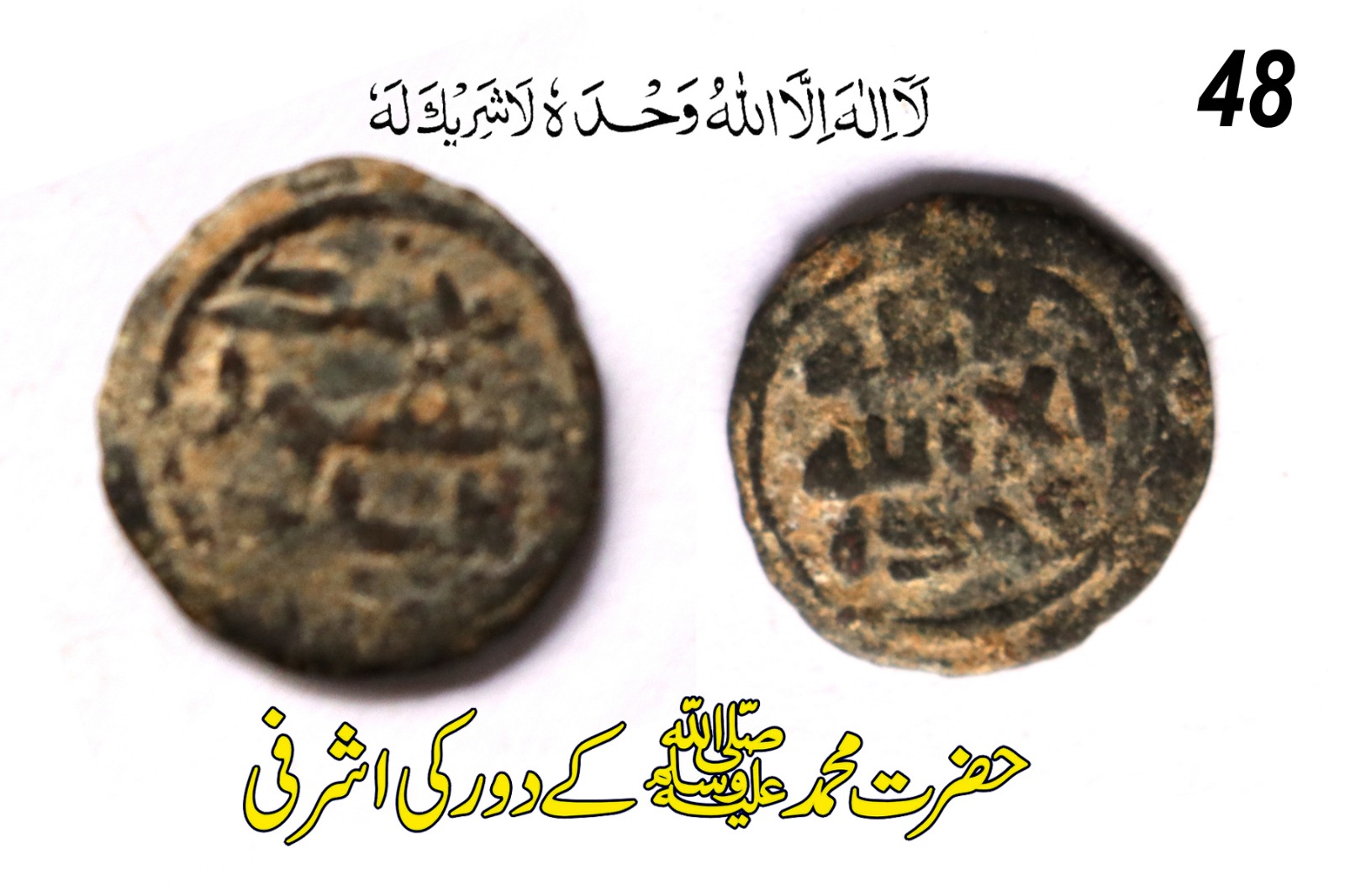
The Fals – Anonymous coin from the Umayyad Caliphate is a significant piece of Islamic numismatic history, widely circulated between 696 and 750 AD. This standard circulation coin, struck during the early Islamic period, offers valuable insight into the economic system of the Umayyad dynasty. The coin, composed of copper, holds a value of 1/60th of a Dinar and was primarily used for small-scale transactions. Its hammered technique, Arabic inscriptions, and round irregular shape make it a remarkable representation of the Umayyad Caliphate’s influence on early Islamic currency.
Issuer and Historical Context
The Fals – Anonymous coin was issued by the Umayyad Caliphate (661-750 AD), one of the most significant empires in early Islamic history. The Umayyads ruled a vast and rapidly expanding territory, and the need for standardized currency became increasingly important for daily trade and administration. This coin was part of the Umayyad effort to provide a variety of denominations for trade across their empire, with the Fals being one of the smaller denominations designed for everyday transactions. The Umayyads introduced coins with inscriptions reflecting Islamic beliefs and the power of the caliphate.
Coin Specifications
- Issuer: Umayyad Caliphate
- Coin Type: Standard circulation coin
- Years of Issue: 696-750 AD
- Value: 1 Fals (1/60th of a Dinar)
- Currency Used: Dinar (661-750 AD)
- Material: Copper
- Weight: 1.3 grams
- Diameter: 15 mm
- Shape: Round (irregular)
- Minting Technique: Hammered
- Demonetized: Yes (no longer in circulation)
- Numista Reference: N#148391
Obverse Design and Inscriptions
The obverse of the Fals – Anonymous coin features Arabic script, a distinctive feature of Islamic coinage.
- The inscription on the obverse includes the phrase “لا اله الا الله وحده”, which translates to “There is no god but Allah”.
- This inscription is a clear declaration of the Islamic monotheistic belief, emphasizing the central tenet of Islam.
- The use of Arabic further reflects the cultural and religious unity under the Umayyad Caliphate and the spread of Islam through written language.
Reverse Design and Inscriptions
The reverse of the coin also displays Arabic script, continuing the theme of Islamic faith and authority.
- The inscription on the reverse reads “محمد رسول الله”, which translates to “Muhammad is the Messenger of God”.
- This phrase acknowledges the central role of the Prophet Muhammad in Islamic belief and serves to affirm the legitimacy of the Umayyad Caliphate under Islamic law.
- The reverse design, featuring a simple but powerful religious message, was typical of coins from this period, which avoided depictions of human or animal figures.
Material, Technique, and Demonetization
The Fals was struck from copper, a widely available and affordable metal in the Islamic world at the time.
- The coin was created using the hammered technique, where each coin was struck individually with a die, resulting in a rough, irregular shape.
- As the Umayyad Caliphate gave way to the Abbasid Caliphate, the Fals was eventually demonetized and removed from circulation. However, this coin remains an important historical artifact that offers a glimpse into the early Islamic economy.
Rarity and Collectability
Due to its historical significance, the Fals – Anonymous coin is highly sought after by numismatists and collectors.
- The Numista Rarity Index shows that this coin is considered rare, with few surviving examples.
- As part of the Umayyad coinage, it provides a valuable connection to the early Islamic monetary system, making it an important addition to any collection of Islamic coins.