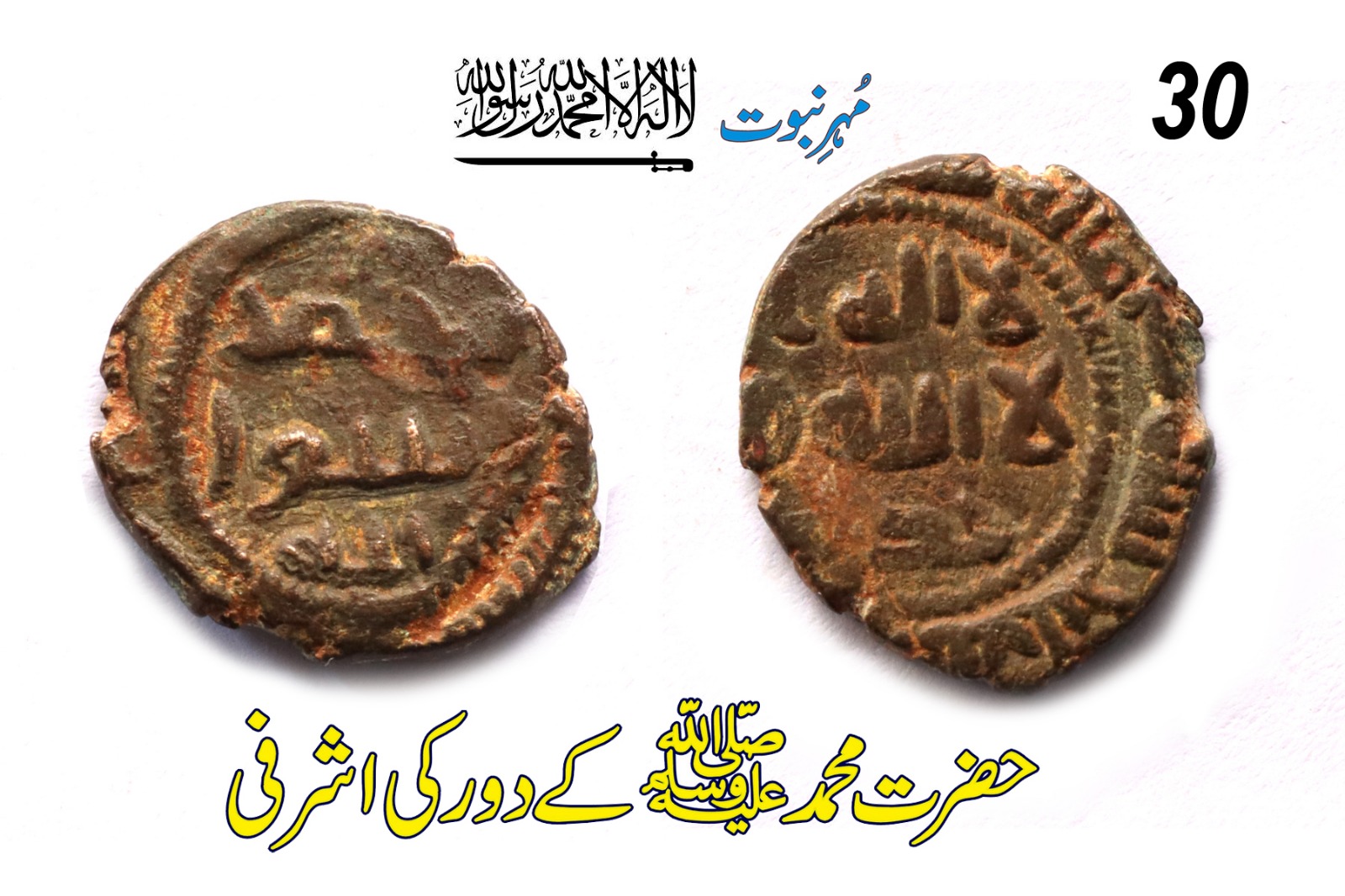
This Islamic Copper Fals is a historically significant coin from the early Islamic period, dating back to 77-137 AH (AD 696-755). It was struck using traditional techniques and bears distinct Arabic inscriptions. The presence of decorative elements such as pellets and a pointillate circle indicates the artistic and symbolic importance of coinage during this era.
Coin Specifications
- Period: Early Islamic
- Denomination: Fals (a copper coin used for small transactions)
- Material: Copper
- Technique: Struck
- Dating: Circa 77-137 AH / AD 696-755
Design and Inscriptions
The obverse of the coin features an Arabic inscription in the center, flanked by decorative pellets above and below the first line of text. The entire inscription is enclosed within a pointillate (dotted) circular border, which was a common artistic motif in early Islamic coinage.
Historical Context
During the period 77-137 AH (AD 696-755), the Umayyad Caliphate (661-750 AD) and early Abbasid rulers issued various coinage reforms, transitioning from Byzantine and Sassanian influences to purely Islamic designs. Copper Fals coins were used for everyday transactions, complementing silver Dirhams and gold Dinars in the monetary system.
Significance of Islamic Coinage
Early Islamic coins were not just a means of exchange but also served as a symbol of political and religious authority. The inscriptions on coins often featured Quranic verses, rulers’ names, or declarations of faith, reinforcing Islamic identity. The artistic elements, such as pointillate circles and decorative pellets, demonstrated a blend of tradition and innovation in coin design.
Rarity and Collectability
Coins from this period, especially well-preserved specimens with clear inscriptions, are considered valuable among numismatists and historians. The study of these coins provides insight into economic, cultural, and administrative developments in the early Islamic world.