- Introduction to the Umayyad Fals
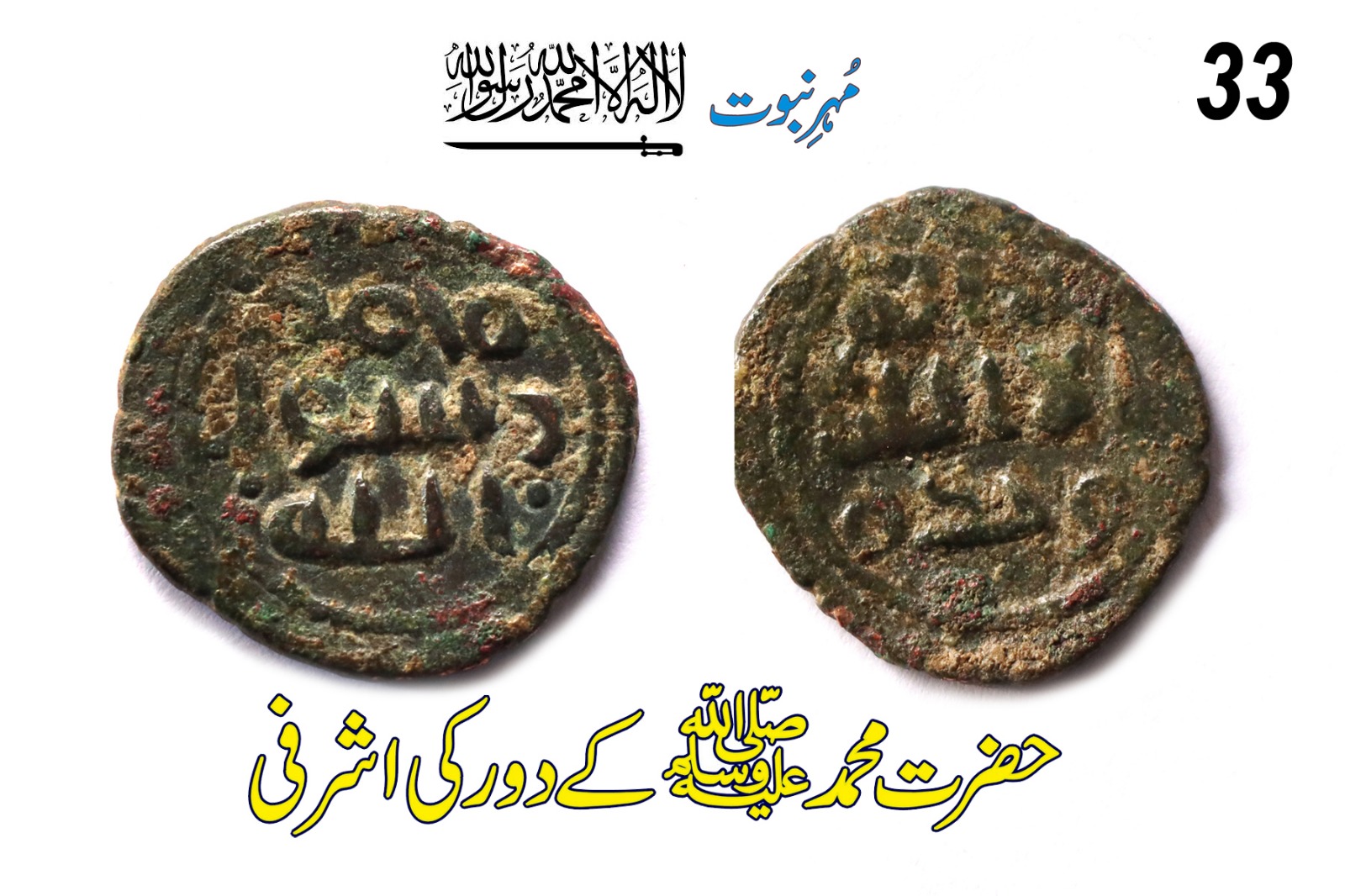
The Umayyad Caliphate (661–750 CE) played a crucial role in shaping the Islamic world, and its monetary system was an essential aspect of its governance. One of the notable coins from this era is the anonymous Fals of al-Urdunn, minted between 696 and 750 CE. This copper coin was part of the standard circulation currency used across the caliphate, highlighting the economic structure and administrative control of the period. - Historical Context and Importance
The fals was a low-denomination coin used for daily transactions in markets and trade routes. It was valued at 1/60 of a dinar, making it accessible to common people for everyday purchases. The issuance of these coins ensured a stable and unified economic system, facilitating commerce and trade within the vast Umayyad territories, which stretched from Spain to Central Asia. - Physical Characteristics and Design
The Fals of al-Urdunn was made of copper, with a weight of 3.25 grams and a diameter of 18mm. The coin was round but often irregular in shape due to the hammered technique used in its production. Its coin alignment (↑↓) reflected early Islamic minting traditions, emphasizing efficiency in coin-making. The inscriptions and symbols on the coin would have conveyed messages of governance, faith, and unity. - Minting Process and Circulation
This fals was minted in the region of al-Urdunn (modern-day Jordan), a strategic province of the Umayyad Caliphate. Coins like this were produced using the traditional hammered technique, where a blank metal piece was placed between engraved dies and struck manually to imprint the design. These coins circulated widely across the Levant and neighboring regions, playing a vital role in everyday commerce. - Demonetization and Rarity
With the fall of the Umayyad Caliphate in 750 CE, the coin was demonetized and gradually replaced by Abbasid coinage. Today, these coins are rare and hold great value for historians and numismatists who study the evolution of early Islamic economies. - Legacy of Umayyad Coinage
The anonymous fals of al-Urdunn represents the transition from earlier Byzantine and Sassanian coinage to a distinct Islamic monetary system. It reflects the Umayyad Caliphate’s efforts to establish financial independence and promote a unified economic identity within the Islamic world. This coin remains a valuable artifact, shedding light on the administrative and economic foundations of early Islamic civilization.