English Version
- Introduction to the Bronze Kasu
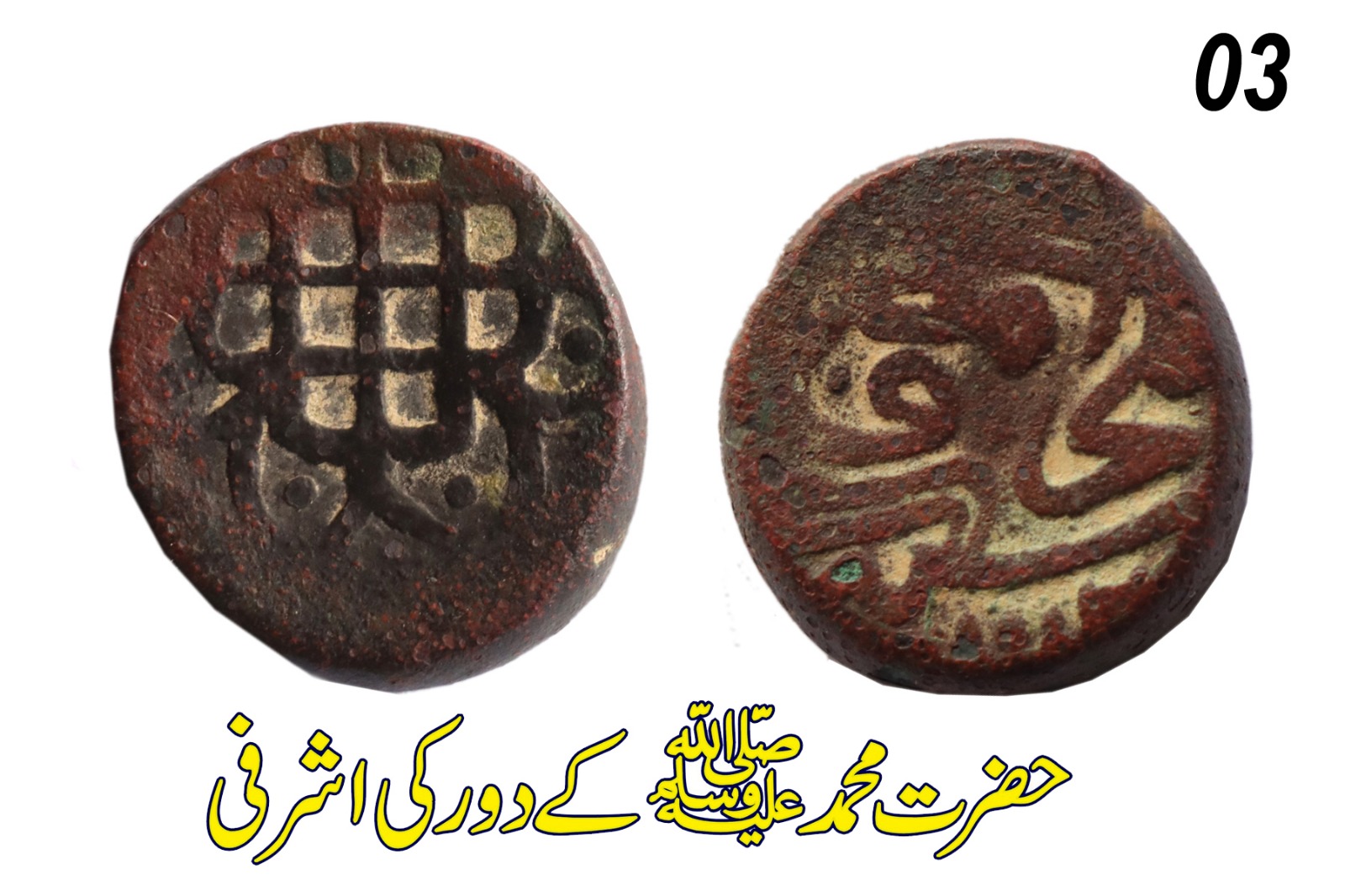
The Bronze Kasu is a remarkable coin from the 18th century, originating from Mysore, South India. These coins were produced during a time of significant cultural, economic, and political transformation in the region. Distinguished by their simple yet symbolic design, the Kasu reflects the artistic sensibilities and monetary practices of the period. - Design Details: Elephant and Crescent Moon
The obverse of the coin depicts an elephant walking left, symbolizing strength and prosperity. This design is enclosed within a dotted border, with an inverted crescent moon placed above, possibly representing divinity or cosmic influence. On the reverse, the coin features crossed lines and small circles, a simple pattern whose exact meaning remains uncertain. - Dimensions and Physical Attributes
The coin measures approximately 13mm in diameter and weighs 2.73 grams. Made of bronze, it has a distinct texture and rugged appearance due to the primitive minting methods of the time. Its modest size and weight make it a practical piece for daily trade and transactions in its era. - Historical Context and Production
This coin belongs to a broader series of anonymous bronze Kasus that were issued at various mints in and around Mysore. These coins were produced in large quantities, possibly over an extended period, including earlier centuries. Despite their ubiquity, they are poorly documented and inadequately studied, leaving many questions about their origin, distribution, and purpose unanswered. - Cultural and Symbolic Significance
The motifs on the coin, such as the elephant and crescent moon, reflect the cultural identity and values of Mysore. Elephants were revered in South Indian society, representing power, wisdom, and prosperity, while the crescent moon may symbolize divine favor or cosmic harmony. These elements make the Kasu not just a monetary tool but also a cultural artifact. - Legacy and Modern Relevance
As a relic of Mysore’s rich history, the Bronze Kasu provides insights into the socio-economic and artistic practices of the 18th century. Its enigmatic design continues to intrigue numismatists and historians alike, offering a tangible connection to the region’s past.