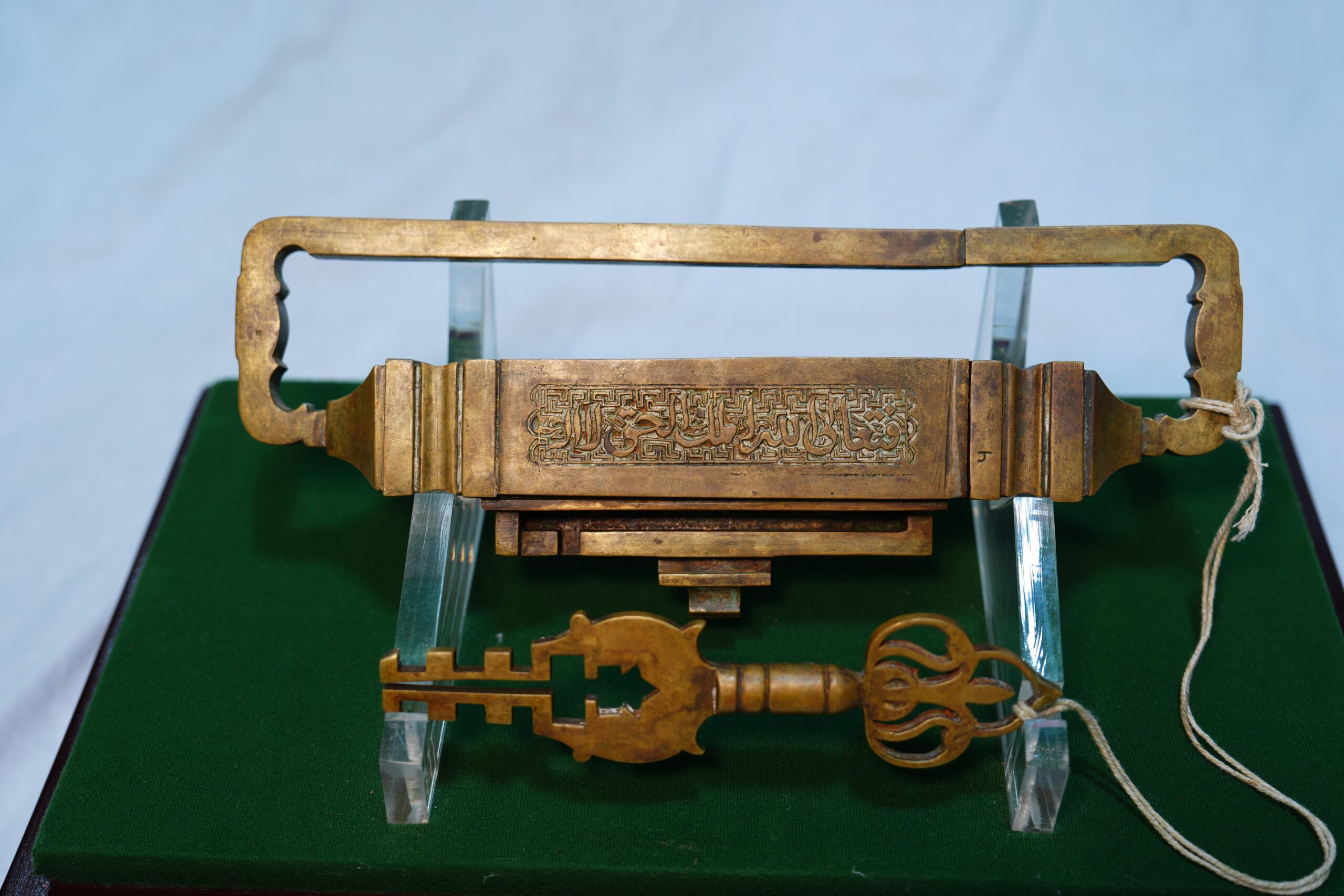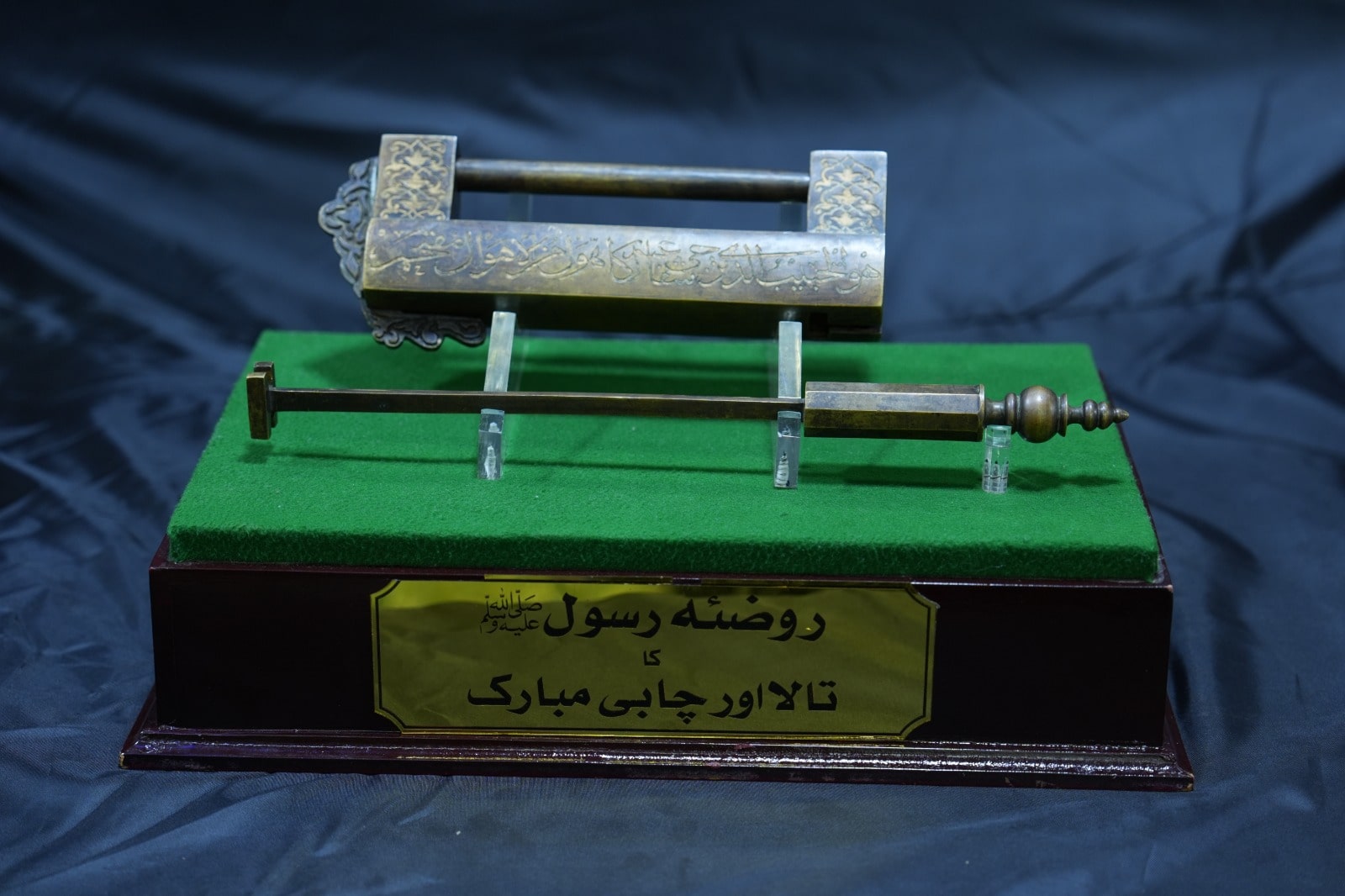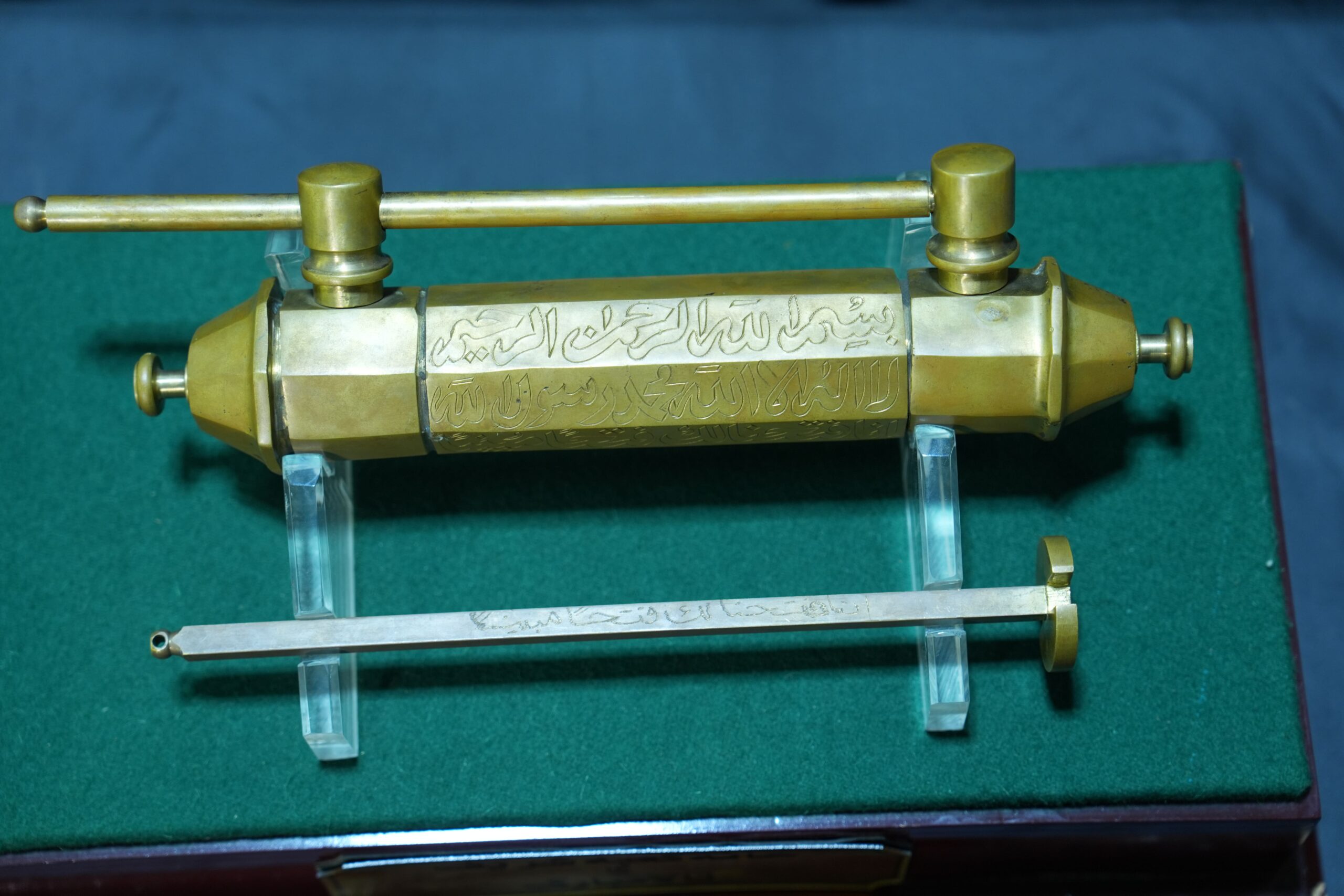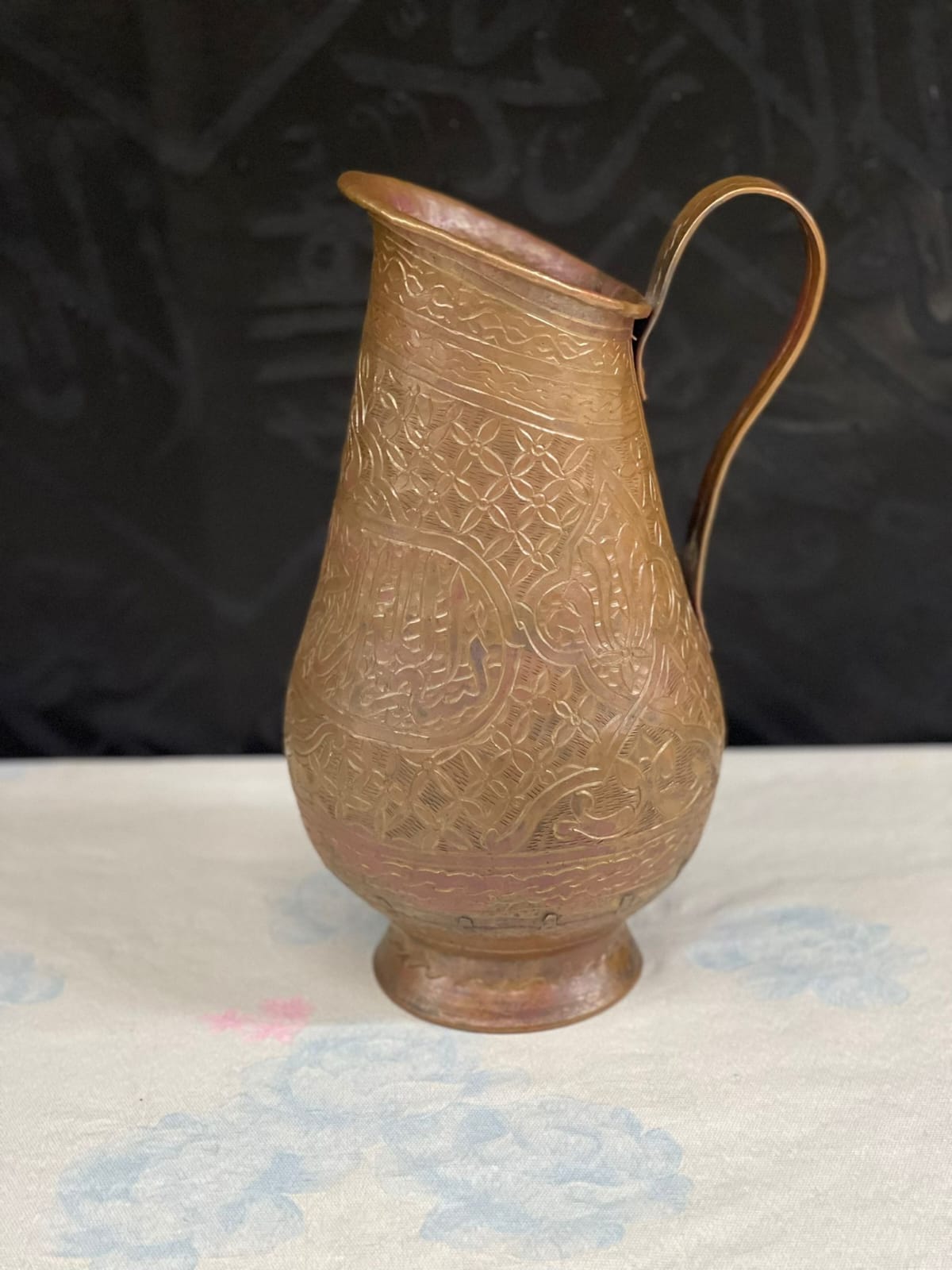
Introduction to the Qandeel
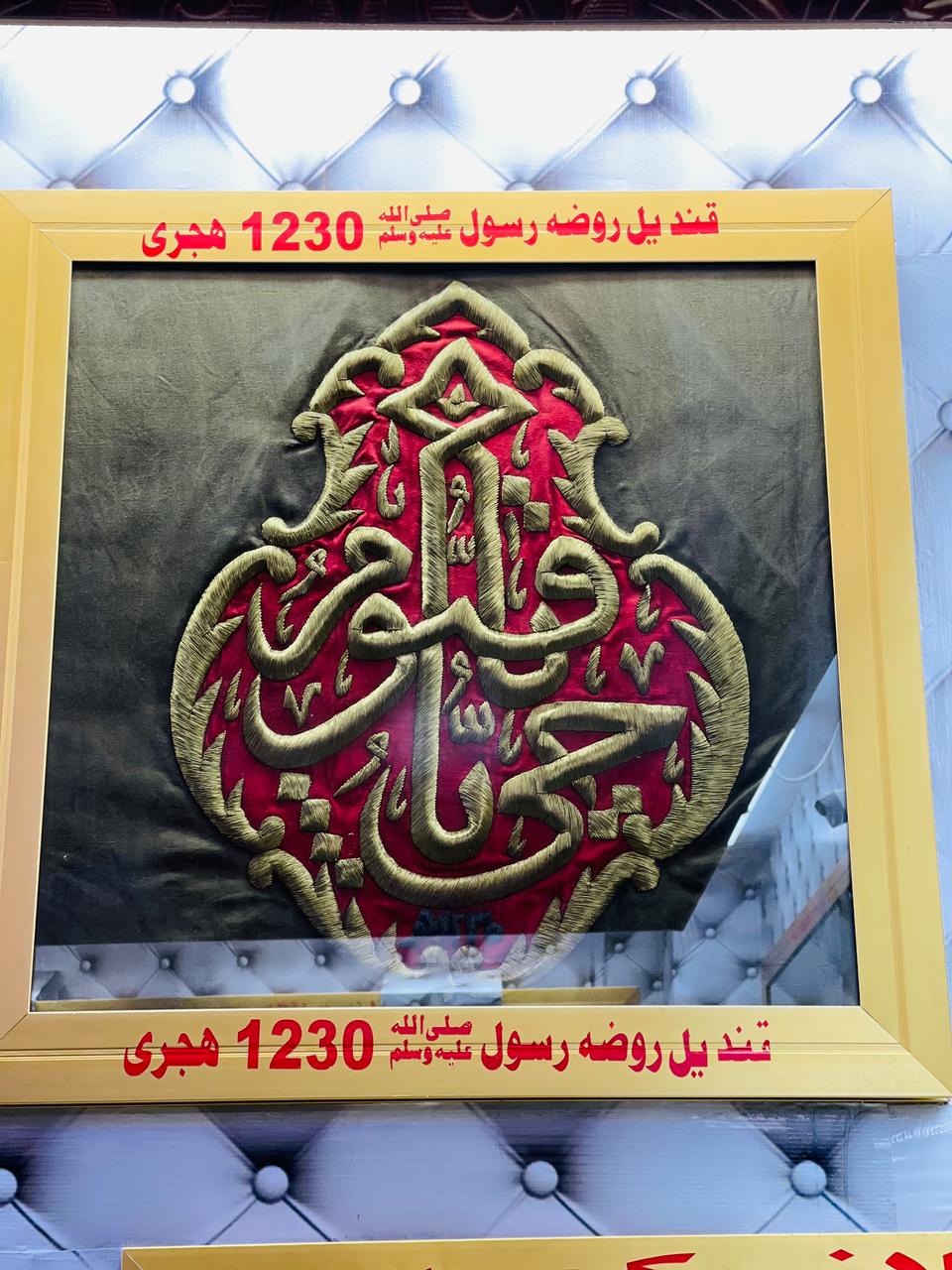
The Qandeel at the Roza-e-Rasool (SAW), located in the sacred city of Medina, holds a unique historical and religious significance. This lantern, which has become an emblem of devotion, is inscribed with the powerful phrase “Ya Hayyu Ya Qayyum,” meaning “O Ever-Living, O Sustainer.” The inscription is a profound expression of the unceasing nature of Allah’s existence and His role as the eternal sustainer of the universe. The Qandeel dates back to 1230 AH (1815 CE) and is considered a remarkable example of Islamic craftsmanship and spirituality.
The Importance of “Ya Hayyu Ya Qayyum”
The inscription “Ya Hayyu Ya Qayyum” is one of the most revered supplications in Islamic tradition. These names of Allah signify His eternal life and sovereignty over all creation. “Hayyu” refers to the Ever-Living, while “Qayyum” indicates the Sustainer or the One who supports everything. The use of this inscription on the Qandeel is both a prayer and a reminder of Allah’s constant presence and His watch over all that exists. It also serves as a spiritual light, guiding Muslims in their faith and devotion to the Creator.
Craftsmanship and Design
The Qandeel at the Roza-e-Rasool (SAW) is a stunning example of Islamic art and design. Made from fine materials, its structure is not only functional but also reflects the intricate artistry that is characteristic of Islamic architecture. The delicate inscriptions, carefully etched onto the surface of the Qandeel, are a testament to the skill of the artisans of the time. The lantern’s form, design, and ornamentation are a blend of spiritual symbolism and aesthetic beauty, making it a revered piece of religious heritage.
Historical Context of 1230 AH
The Qandeel was crafted during the early 19th century, in 1230 AH, a period marked by significant developments in Islamic art and architecture. During this time, many important religious and cultural artifacts were produced, and Islamic craftsmanship reached new heights. The Qandeel reflects the era’s commitment to beautifying places of worship and religious significance. Its presence at the Roza-e-Rasool (SAW) adds to the sanctity of the shrine and enhances the spiritual experience for those who visit.
Symbolism and Spiritual Significance
Beyond its physical form, the Qandeel carries deep spiritual meaning. The lantern, often used in religious contexts, symbolizes light in the darkness, guidance in times of uncertainty, and knowledge in an age of ignorance. The inscription “Ya Hayyu Ya Qayyum” further elevates the spiritual importance of the Qandeel. For Muslims, it serves as a constant reminder of the presence of Allah and His infinite mercy and power. It is a symbol of hope, faith, and the eternal connection between the Creator and His creation.
Conclusion
The Qandeel at the Roza-e-Rasool (SAW) with the inscription “Ya Hayyu Ya Qayyum” is more than just a historical artifact; it is a beacon of faith and spirituality. Its craftsmanship, inscription, and significance make it an invaluable part of Islamic heritage. The Qandeel, dating back to 1230 AH, continues to inspire awe and reverence among Muslims, reminding them of the eternal nature of Allah’s existence and His continuous sustenance of the world.