Introduction
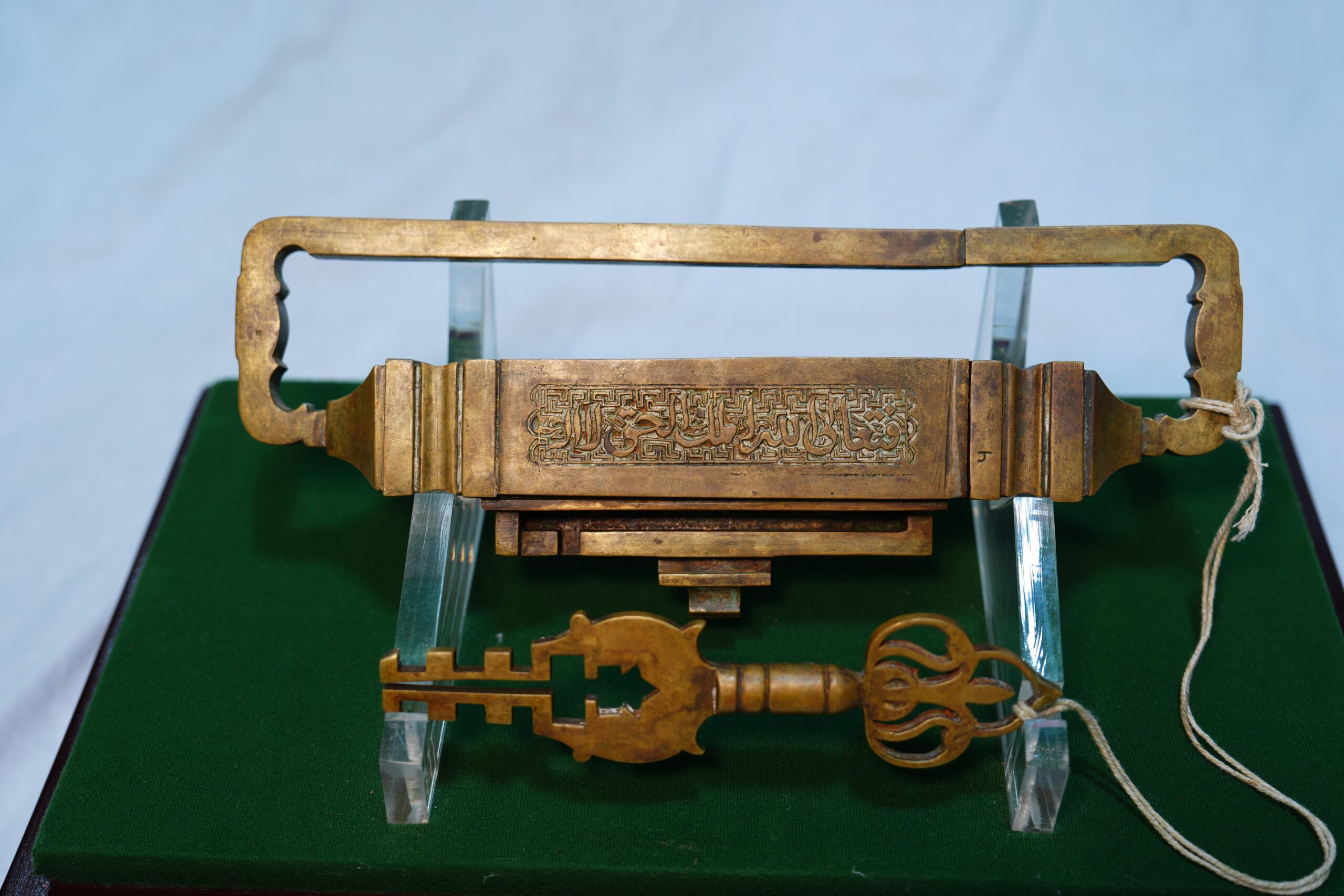
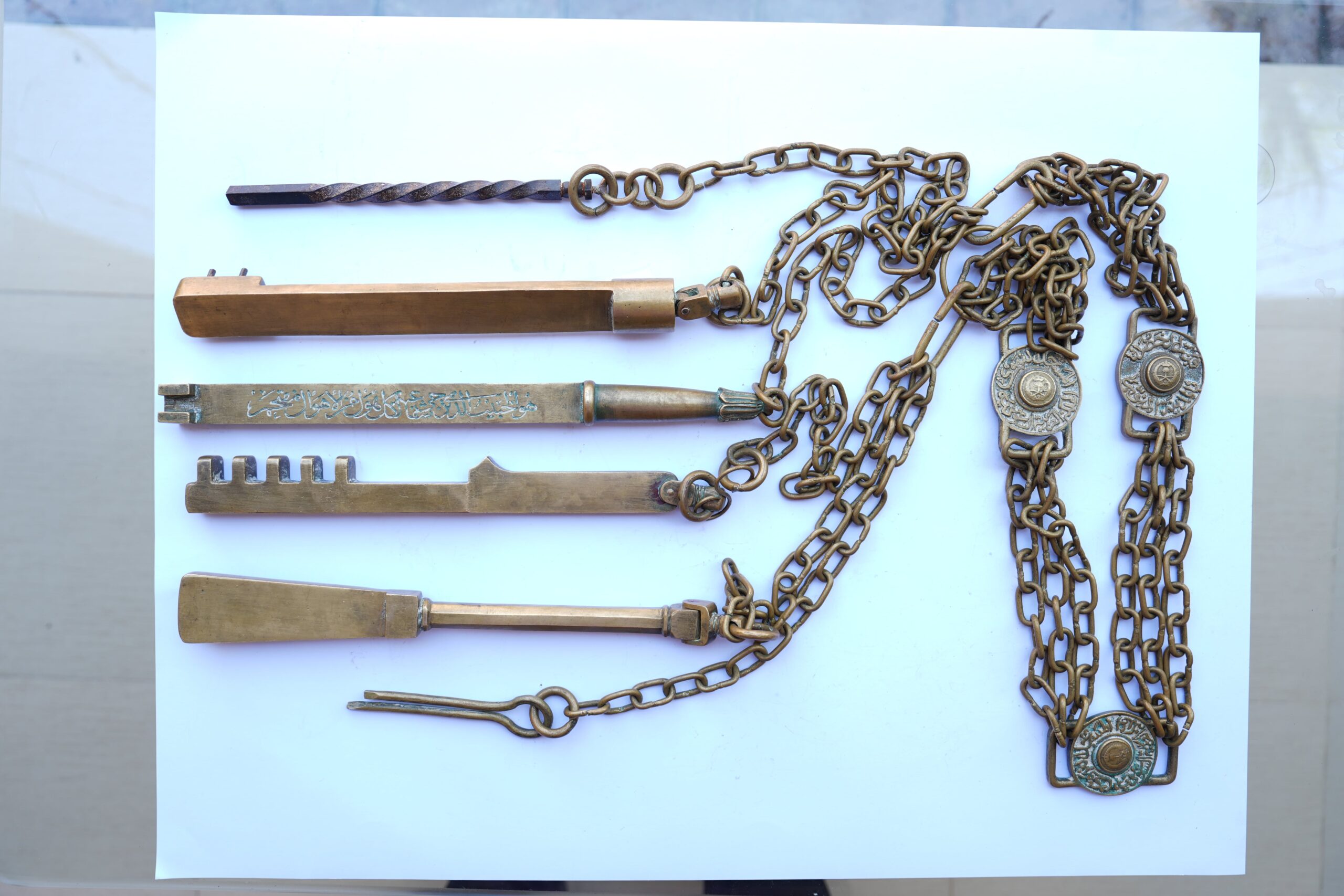
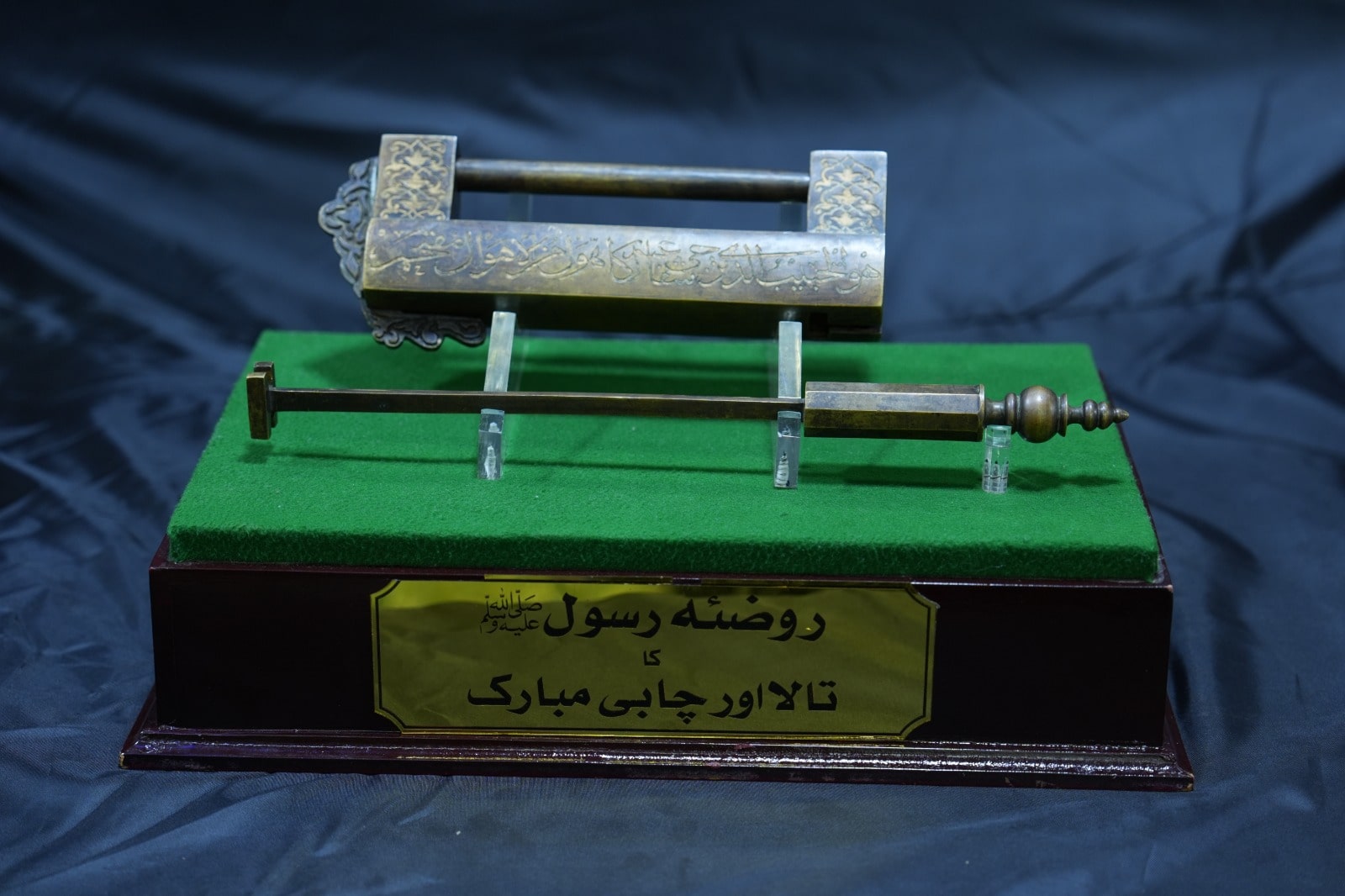
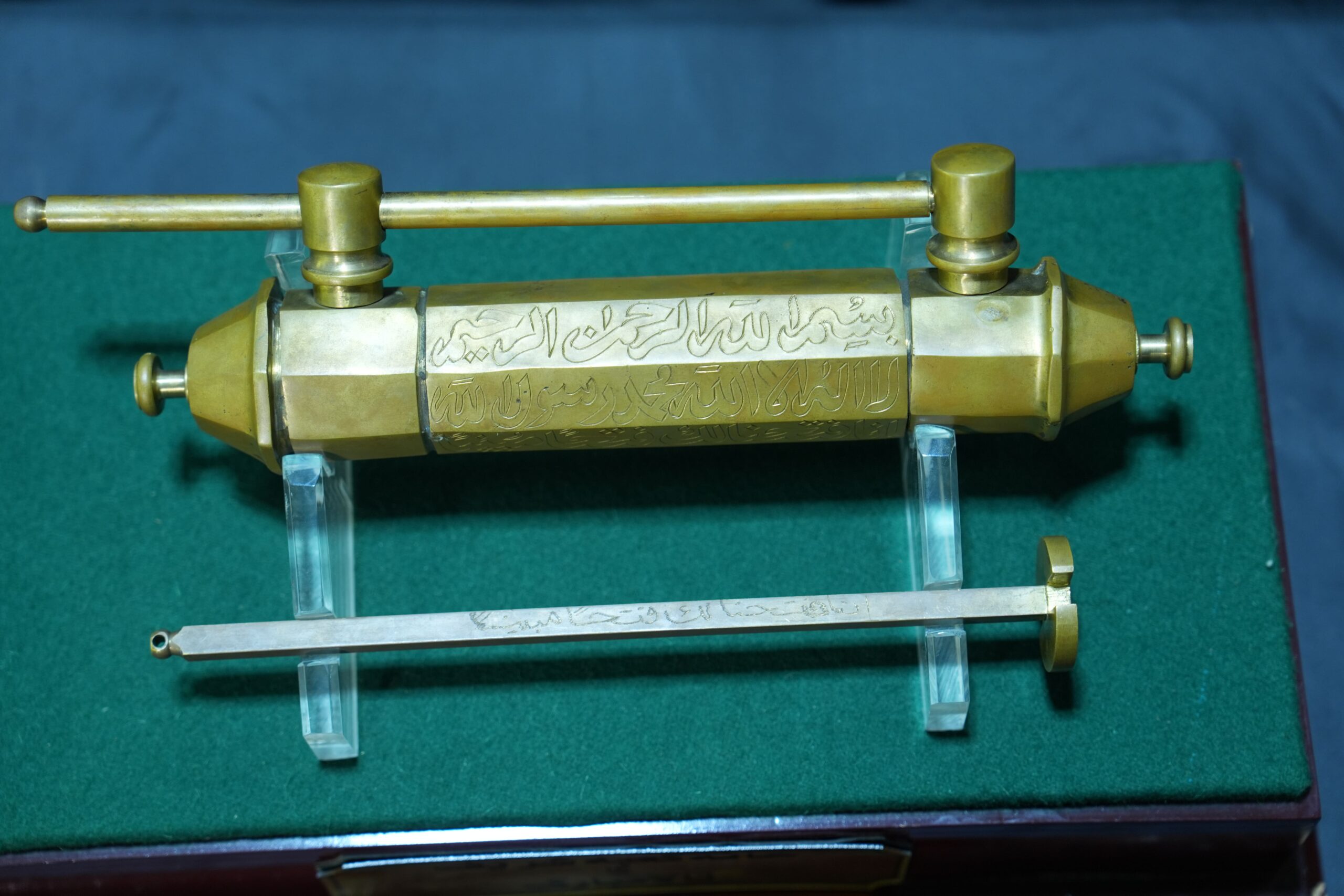
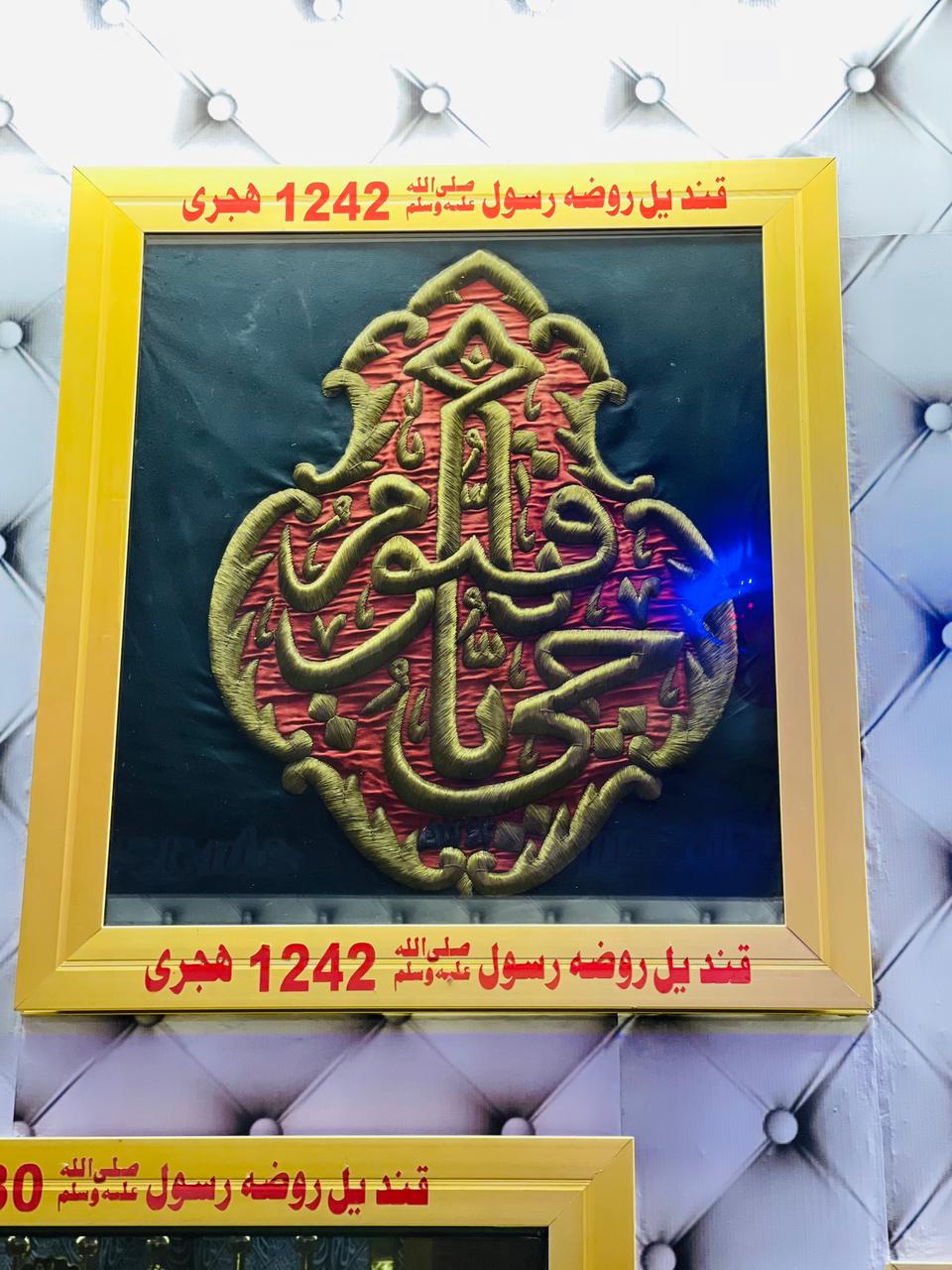
The Qandeel (sacred lantern) placed at Roza-e-Rasool (SAW), the blessed resting place of the Prophet Muhammad (Peace Be Upon Him) in Masjid-e-Nabawi, holds immense spiritual and historical significance. Dated 1242 Hijri (Islamic calendar), this lantern is a prime example of Islamic devotion and exquisite craftsmanship. It is inscribed with the powerful invocation “Ya Hayyu Ya Qayyum”—which translates to “O Ever-Living, O Sustainer.” This inscription reflects two of Allah’s divine and eternal attributes that resonate deeply within the Islamic faith.
Historical Background
The Qandeel dates back to 1242 AH, a period during which Islamic art, devotion, and architecture flourished under various caliphates and empires. Lanterns like this one were specially commissioned by rulers and caliphs as expressions of their deep love and reverence for the Prophet Muhammad (SAW).
Historically, these lanterns adorned Masjid-e-Nabawi, providing both illumination and beauty to the sacred space where the Prophet (SAW) rests. The lantern symbolized an eternal light of faith, knowledge, and divine mercy, serving as a reminder of the Prophet’s timeless message and Allah’s everlasting presence.
The placement of the Qandeel was not merely decorative but a symbolic gesture representing divine light (Noor), guidance, and blessings that emanate from the Prophet’s (SAW) resting place, impacting the entire Ummah (Muslim community).
Meaning of the Inscription: “Ya Hayyu Ya Qayyum”
The inscription “Ya Hayyu Ya Qayyum” holds profound significance within Islam.
- Ya Hayyu: “The Ever-Living” – Allah’s existence is eternal, without beginning or end. He is the source of all life.
- Ya Qayyum: “The Sustainer” – Allah continuously sustains and maintains the universe, ensuring everything functions by His will.
These words appear in Ayat al-Kursi (Surah Al-Baqarah, verse 255) and hold immense spiritual power. Reciting these divine attributes serves as a means of seeking Allah’s guidance, mercy, and protection. Inscribing these words on the Qandeel emphasizes the connection between the Prophet Muhammad (SAW) and the eternal message of Allah.
Artistic and Craftsmanship Excellence
The Qandeel is an extraordinary masterpiece of Islamic art and craftsmanship. It features:
- Calligraphy: The golden threadwork inscription of “Ya Hayyu Ya Qayyum” is executed in an elegant Thuluth script, known for its curved, flowing letters and artistic appeal. The calligrapher’s skill reflects the reverence and care devoted to this sacred artifact.
- Material: The Qandeel is crafted from silk fabric, dyed in a vibrant red color symbolizing devotion and love. The golden embroidery highlights the inscription, creating a striking visual contrast.
- Design: The surrounding motifs and decorative patterns are intricately woven, drawing inspiration from Ottoman-era Islamic art, renowned for its precision, symmetry, and balance.
Every detail of this lantern, from the choice of material to the calligraphy, underscores the immense respect and love for the Prophet Muhammad (SAW) and his sacred resting place.
Symbolism and Spiritual Importance
The Qandeel carries deep spiritual symbolism:
- The Light of Faith: It serves as a metaphor for the divine light (Noor) of Allah, illuminating hearts and souls with faith.
- Connection to Allah: The inscription “Ya Hayyu Ya Qayyum” reminds visitors of Allah’s eternal presence, encouraging them to seek His guidance and mercy.
- Devotion to the Prophet (SAW): The lantern’s placement at Roza-e-Rasool (SAW) highlights the deep love and veneration Muslims have for the Prophet Muhammad (SAW).
For pilgrims and visitors, seeing this Qandeel is a moment of awe, reflection, and spiritual renewal. It symbolizes the continuation of faith and Allah’s mercy through the teachings of the Prophet (SAW).
Preservation and Legacy
Over centuries, such Qandeels have been carefully preserved and displayed in sacred sites and museums. This particular Qandeel, dated 1242 AH, reflects the legacy of devotion and artistry passed down through generations of Muslims.
Today, artifacts like these are not only historical treasures but also powerful symbols of unity, faith, and heritage. They connect modern Muslims to their rich history and inspire love for the Prophet Muhammad (SAW) and his message of peace, mercy, and guidance.
Conclusion
The Qandeel at Roza-e-Rasool (SAW) with the inscription “Ya Hayyu Ya Qayyum” (1242 AH) is a priceless artifact that combines spiritual depth with artistic brilliance. Its calligraphic beauty, historical roots, and profound message make it a source of reflection and devotion for all who encounter it. Such sacred relics continue to inspire Muslims worldwide, reminding them of Allah’s eternal light and the blessings of the beloved Prophet Muhammad (SAW).